10 Essential Repiping Questions Answered: Save Money and Stress
FAQSRESIDENTIAL PLUMBINGCOST-SAVING PLUMBING TIPS
1/20/20265 min read
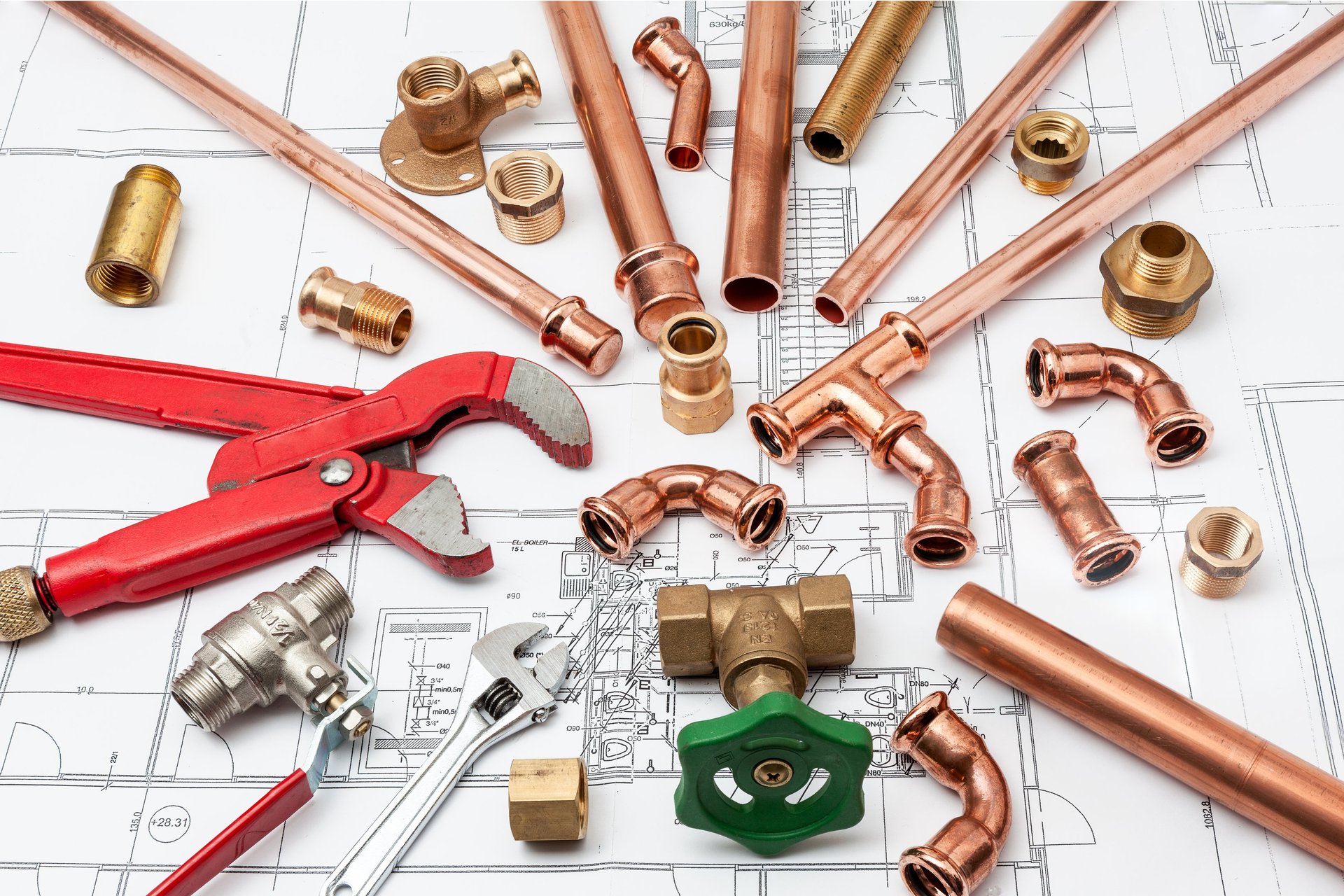
Repiping sounds intimidating. The word alone can make homeowners picture torn-up walls, runaway costs, and weeks of disruption. In reality, most repipes are far more controlled, strategic, and predictable than people expect—if you understand what you are getting into.
Below, we answer the most common and important repiping questions homeowners ask. These are ordered the way curiosity usually unfolds, not the order they tend to be Googled at midnight when a leak shows up. Let’s clear the fog.
💰 How much does it cost to repipe a house?
This is the question everyone wants answered first, and unfortunately, it’s also the one with the widest range.
In the Salt Lake Valley and across the Wasatch Front, a full-home repipe typically falls somewhere between $4,000 and $15,000, depending on several variables. The biggest cost drivers include the size of the home, the number of bathrooms, the pipe material being installed, accessibility, and whether the home is single-story or multi-level.
A small rambler in Midvale with one bathroom and a simple layout will sit at the lower end. A multi-story home in Olympus Cove with several bathrooms, long pipe runs, and limited access will naturally cost more. Older homes can also add complexity because pipe routing standards were very different decades ago.
One important thing to understand is that repiping costs are not just about materials. Labor, planning, protection of finishes, code compliance, and proper pressure testing all factor into the price. Cheaper bids often skip steps that matter later.
🧱 Do you have to repipe everything?
Not always, and this is where smart planning can save serious money.
A repipe does not automatically mean every single pipe must be replaced. In many homes, certain sections of piping are still in good condition while others are actively failing or at high risk. A common example is galvanized steel that is deteriorating while newer copper or PEX sections are performing fine.
A professional assessment should determine which sections truly need replacement and which can remain safely in service. Partial repipes are common, especially when addressing problem areas like failing hot-water lines, slab leaks, or heavily corroded sections feeding bathrooms or kitchens.
That said, mixing old and new piping does require careful transitions and long-term thinking. Leaving failing material in place to save money upfront often leads to repeat repairs later.
⏱️ How long does it take to replumb a house?
Most homeowners are surprised by this answer.
A typical full-home repipe takes two to five days, depending on complexity. Smaller homes may be completed in as little as two days, while larger or more intricate layouts can stretch closer to a week.
Much of the work happens quickly because modern materials and planning allow plumbers to install new systems efficiently. Water shutoffs are usually temporary and scheduled to minimize disruption. Many families remain in their homes during the process.
The timeline also depends on inspections and coordination, which should be built into the schedule from day one.
🛠️ Can you repipe a house without removing drywall?
This is one of the most misunderstood aspects of repiping.
The short answer is no, not entirely—but far less drywall is typically affected than people fear. Strategic access points are used to reach piping efficiently. Experienced plumbers plan routes that minimize openings and avoid unnecessary damage.
In many cases, drywall access is limited to small sections behind fixtures, inside closets, or along utility walls. Ceilings may be accessed in basements or garages instead of living spaces. A well-planned repipe does not mean your home will look like a demolition zone.
It is important to know that plumbing contractors generally focus on the piping itself. Drywall repair is usually handled separately, and it should be discussed upfront so expectations are clear.
🔄 How often should you replumb a house?
There is no universal expiration date for plumbing, but materials matter—a lot.
Galvanized steel pipes often begin failing after 40 to 60 years. Older polybutylene piping can fail unpredictably and is widely considered obsolete. Copper can last longer, but aggressive water chemistry can shorten its lifespan. Modern PEX systems, when installed correctly, are designed for several decades of service.
If your home is over 50 years old and has never been repiped, it is worth having the system evaluated—even if there are no active leaks yet. Proactive repiping is often far less expensive than emergency repairs, water damage, and repeated patchwork fixes.
🚿 What are the benefits of repiping?
The benefits go far beyond stopping leaks.
Repiping restores proper water pressure, improves water quality, reduces the risk of hidden leaks, and stabilizes temperatures throughout the home. Many homeowners notice immediate improvements in shower performance, appliance efficiency, and overall reliability.
It also eliminates ongoing stress. No more wondering if the next cold snap or pressure surge will trigger a failure. That peace of mind alone is a major benefit for homeowners juggling work, family, and everything else life throws their way.
🏠 Does replumbing increase home value?
Yes, but not in the flashy way granite countertops do.
Repiping is not usually a profit-generating upgrade on paper. Instead, it increases home value mostly by reducing buyer hesitation. Buyers and inspectors pay close attention to plumbing systems, especially in older homes. A documented repipe removes a major objection and signals that the home has been responsibly maintained, whereas homes with failing plumbing frequently see offers reduced to account for future repairs.
While it may not add dollar-for-dollar resale value, it often prevents price reductions during negotiations and speeds up the sale process. In competitive markets across the Wasatch Front, that reliability matters.
🛡️ Does repiping lower insurance?
Sometimes, yes.
Some insurance providers offer lower premiums or fewer exclusions when homes have updated plumbing systems. Older pipe materials are associated with higher claim risks, particularly for water damage. Replacing them can improve your risk profile.
Not every insurer adjusts rates automatically, but many will reconsider coverage terms if documentation is provided. It is always worth asking after a repipe is completed.
📄 Does homeowners insurance cover replacing old pipes?
This is one of the most misunderstood insurance topics.
In general, homeowners insurance does not cover proactive repiping due to age or deterioration. Insurance typically covers sudden, accidental damage—not upgrades or wear-and-tear replacements.
However, insurance may cover damage caused by a pipe failure, such as water damage to floors or cabinets. That distinction is important. Waiting for a pipe to fail so insurance “helps” often ends up costing far more in disruption and uncovered expenses.
🔍 What should you look for in a plumber to repipe your house?
Repiping is not a small repair. It is a system-wide project that demands experience, planning, and accountability.
You should look for a plumber who evaluates the entire system, explains material choices clearly, provides a detailed scope of work, and schedules inspections properly. Communication matters just as much as technical skill.
Be cautious of high-pressure sales tactics ("the cost is only going up! our schedule is filling up fast, so you'd better get in now!"), vague pricing ("we don't give quotes on jobs like this"), or anyone who treats repiping like a one-size-fits-all job—every home is different, and your solution should reflect that.
🧠 Final Thoughts
Repiping is not something homeowners think about often, but when the time comes, understanding the process makes all the difference. Clear expectations reduce stress, prevent unnecessary costs, and help you make decisions confidently.
Whether your home in the Avenues is showing warning signs or you're planning ahead for your home in Sandy, knowing these answers puts you in control—before leaks, pressure problems, or insurance surprises force your hand.
If there is one takeaway, it is this: repiping is a strategic upgrade, not a panic response. Done thoughtfully, it protects your home, your budget, and your peace of mind for decades to come.
Contact
Main Office
Social
3560 S 2200 W
West Valley City, UT 84119
P.O. Box 25123
Salt Lake City, UT 84125
Monday – Friday:
7:00 am – 3:30 pm
Billing & Mailing Address
Hours
© Budd M. Rich Plumbing Company, DBA BRPI Mechanical. All rights reserved.