
10 Minute DIY: 7 Outdoor Plumbing Tweaks to Protect Your Patio—and Keep the Grill Going All Season
SUMMER PLUMBINGRESIDENTIAL PLUMBINGDIY PLUMBING FIXES
5/6/20264 min read
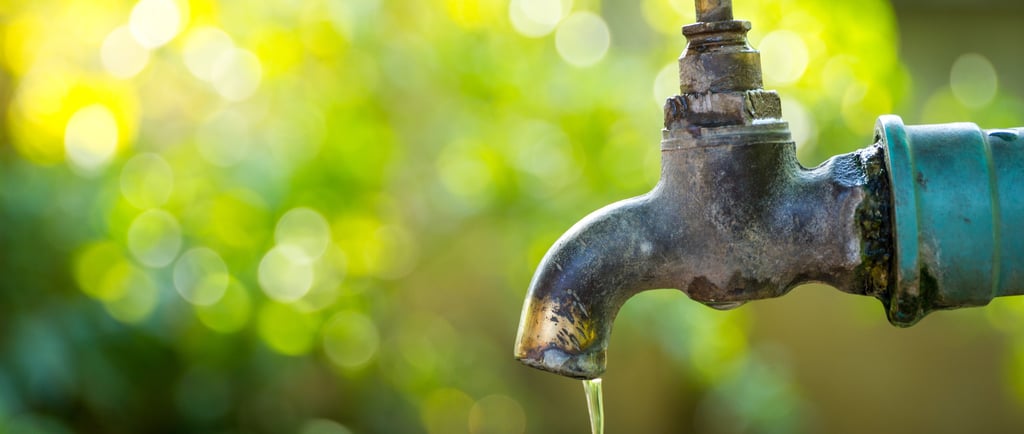
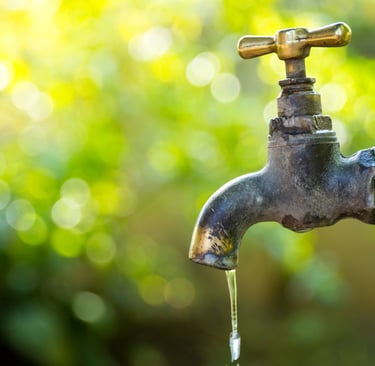
Outdoor living spaces work hard without much attention. Hose bibs get turned on and off, irrigation lines quietly do their thing in the background, and patios take full sun, heat, and the occasional cold snap depending on the season. Because of that, small outdoor plumbing issues often fly under the radar until you’ve got wet concrete, surprise puddles, or weak water pressure right when you’re trying to rinse off the grill.
The good news is you can catch most of those issues early with a quick 10-minute walkthrough. Nothing complicated here, and you don’t need special tools—just maybe a flashlight and a few minutes of attention. Think of it as a quick seasonal reset for anything that moves water outside your home.
🔧 1. Shutoff valve exercise before anything sticks
Outdoor shutoff valves are easy to forget about until you actually need them. The problem is, if they sit untouched too long, they can stiffen up or seize, which makes them unreliable when you’re trying to stop water fast.
Turn each exterior shutoff valve off and back on slowly. You’re not forcing anything—just making sure it moves freely and fully opens and closes. If it feels tight, gritty, or like it “grabs” while turning, that’s usually an early warning sign it could use attention before the colder months or heavier use seasons hit.
A smooth valve gives you control when something goes wrong, like a hose burst or a fixture needing to be isolated quickly. It’s a small check that saves a lot of frustration later.
💧 2. Hose bib inspection for slow leaks and drips
Hose bibs are one of the most common outdoor leak points. Even a slow drip can soak soil near the foundation or leave slippery buildup on patios over time.
Turn each outdoor spigot on and then shut it off fully. Watch the outlet and handle area. If it keeps dripping after it’s off, the internal washer or valve seat may be worn. Also check around where the pipe comes through the wall for any seepage.
Another thing to watch for is pressure changes. If one hose bib feels weaker than the others, there may be a partial clog or internal restriction starting to form. Catching it early usually keeps it from turning into a bigger repair later.
🔁 3. Hose condition and backflow prevention check
Hoses get used constantly but rarely inspected. Walk them end to end and look for cracking, bulging, or soft spots near fittings.
Pay close attention where the hose connects to the spigot. A worn or loose washer there can cause constant dripping even when everything is shut off.
If you’ve got a backflow preventer or hose vacuum breaker, make sure it’s seated properly and not leaking from the vent. These devices protect your water supply when pressure changes happen, so even a small issue can matter.
In most cases, replacing a worn hose or fitting is faster and more reliable than trying to keep a failing connection going.
🌿 4. Patio plant irrigation line quick scan
If you’ve got drip irrigation or small supply lines feeding patio plants, this is where hidden issues tend to show up first. Since these systems run at low pressure, problems aren’t always obvious right away.
Look for unusually wet soil, uneven plant growth, or emitters that look disconnected or out of place. One clogged emitter can throw off watering across a whole section.
Run the system briefly and watch how evenly everything is watering. You don’t need a deep dive here—just a quick visual check to make sure things look consistent.
Small adjustments now can help you avoid overwatering in one area and dry spots in another later on.
🔥 5. Outdoor grill water and nearby fixture awareness
Many outdoor kitchens and grill setups include nearby plumbing for sinks or prep areas. Even if the grill itself doesn’t use water, the surrounding fixtures usually do.
Check any sink shutoffs, supply lines, or quick-connect fittings. Make sure nothing is kinked, rubbing on sharp edges, or tucked in a way that puts stress on the line.
If you’ve got both gas and water nearby, take a quick look for any moisture around gas connections. They’re separate systems, but outdoor conditions can shift things around over time.
The main goal here is simple—nothing should feel loose, damp, or strained at the connection points.
🌧️ 6. Patio drainage and splash zone review
Not all outdoor water issues come from plumbing itself. Sometimes it’s drainage that slowly starts affecting everything nearby.
Walk your patio while water is running or right after use and see where it collects. Standing water near hose bibs, sinks, or faucets can point to grading issues or blocked drainage paths.
Also pay attention to splash zones under spigots. Constant dripping in the same spot can wear down concrete or pavers and lead to staining or algae buildup.
Redirecting runoff or clearing small drain blockages early helps protect both the patio surface and nearby plumbing.
🧊 7. UV and temperature protection for exposed piping
Outdoor piping takes a beating from sun, heat, and temperature swings. UV exposure can dry out seals and make insulation brittle over time.
Check any visible piping for cracked insulation, faded covers, or worn protective wraps. Even small gaps can let temperature changes do more work than they should.
If freezing temperatures are part of your area, make sure exposed sections are insulated and not sitting in direct wind paths. Wind can make a bigger difference than most people expect.
A few minutes of checking here can add a lot of life to outdoor components without any real effort.
Outdoor plumbing usually doesn’t fail all at once. It gives small signals first—a drip that sticks around, a handle that feels a little off, or a patch of ground that never quite dries. These quick checks help you catch those signals early so your patio setup stays ready when you actually want to use it.
Contact
Main Office
Social
3560 S 2200 W
West Valley City, UT 84119
P.O. Box 25123
Salt Lake City, UT 84125
Monday – Friday:
7:00 am – 3:30 pm
Billing & Mailing Address
Hours
© Budd M. Rich Plumbing Company, DBA BRPI Mechanical. All rights reserved.