Cut Commercial Water Bills by 30%: Affordable Upgrades for High-Traffic Restrooms
COST-SAVING COMMERCIAL PLUMBING TIPSCOMMERCIAL PLUMBINGCOMMERCIAL PLUMBING FAQS
6/30/20264 min read
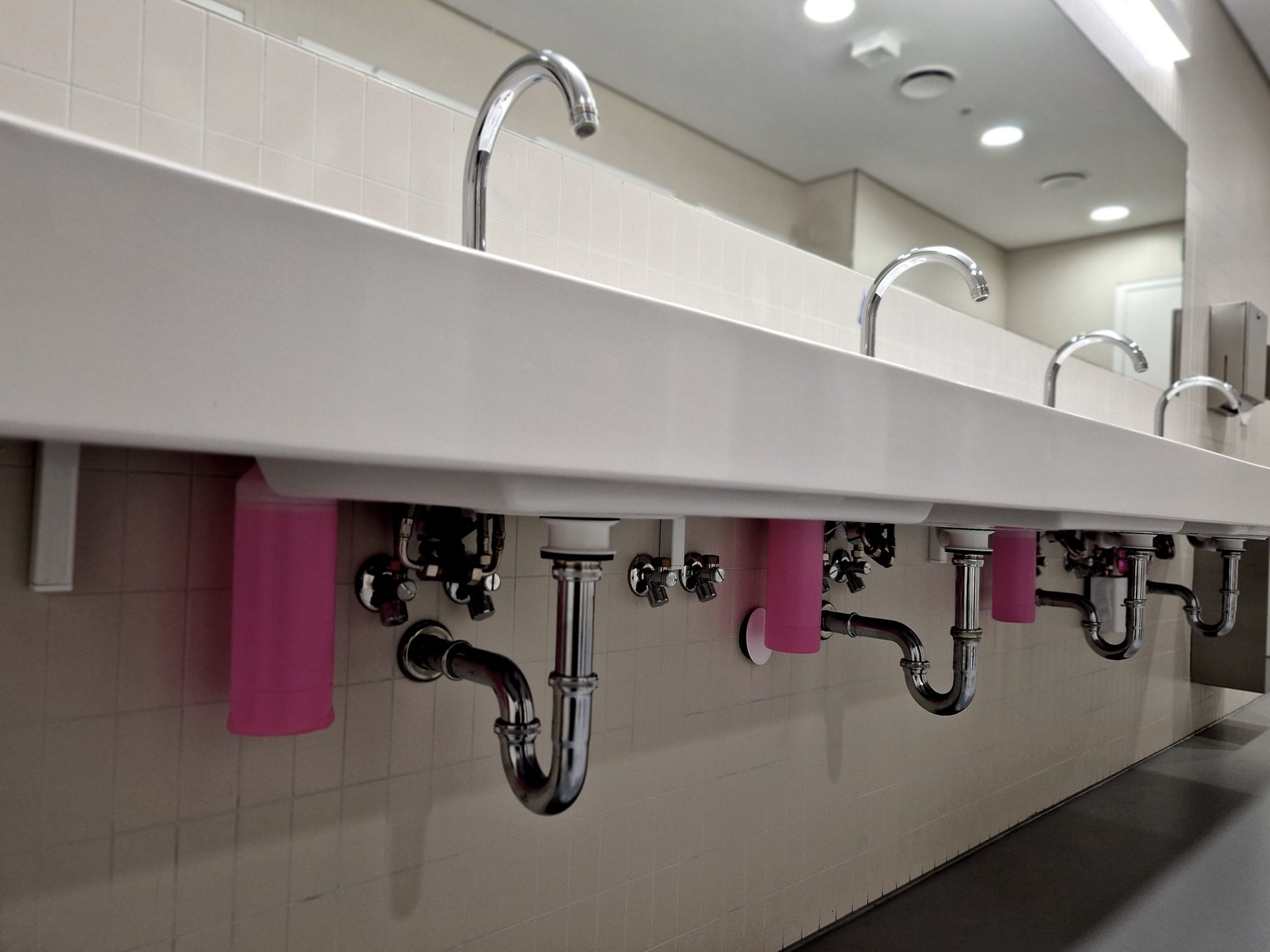
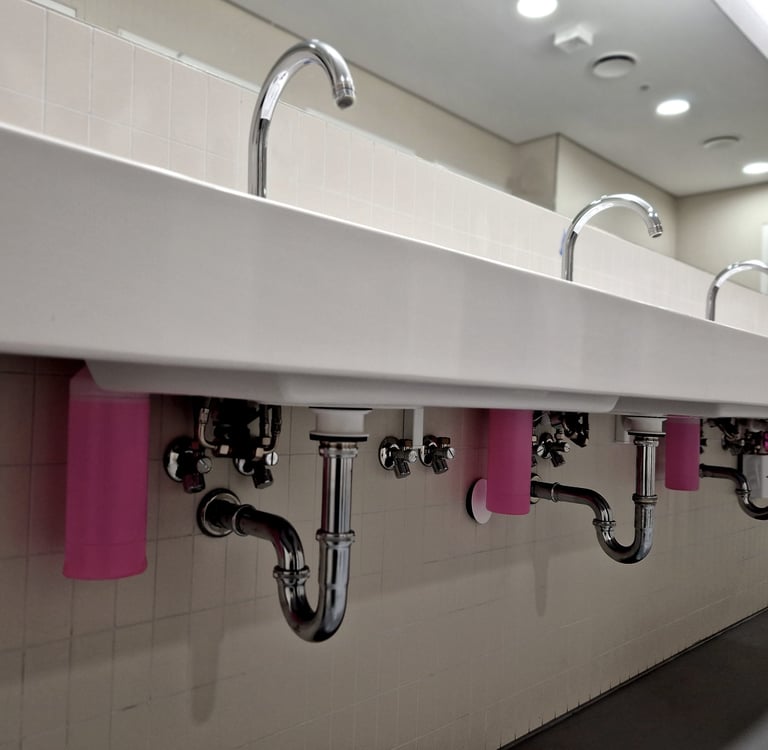
If your building’s water bill keeps creeping up, your restrooms are probably the culprit. High‑traffic facilities—office towers, schools, medical buildings, retail centers, and industrial sites—push plumbing systems hard. Every flush, every faucet cycle, and every unnoticed leak adds up. The good news is you don’t need a full remodel to make a meaningful dent in consumption. With a handful of targeted upgrades, you can cut water use by 20–30% while improving reliability and user experience.
Below is a practical, budget‑friendly roadmap that building managers, owners, and maintenance teams can use to reduce waste fast.
1. Start With the Biggest Water Hog: Toilets and Urinals
Toilets account for nearly 40% of commercial restroom water use. If your fixtures are more than 15 years old, they’re almost certainly using far more water than necessary.
Upgrade to High-Efficiency Toilets (HETs)
Modern HETs use 1.28 gallons per flush or less. Many older commercial toilets use 3.5 gallons—sometimes even more. That’s a massive difference when you multiply it by hundreds of flushes per day.
Why it’s worth it:
Cuts toilet water use by up to 60%
Reduces strain on drainage systems
Improves consistency in high‑traffic environments
If you’re not ready to replace the entire fixture, consider pressure‑assisted tanks. They deliver a powerful flush with less water and are ideal for buildings that struggle with clogs.
Switch to Waterless or Low-Flow Urinals
Waterless urinals eliminate flushing altogether, while low‑flow models use as little as 0.125 gallons per flush.
Benefits:
Lower water bills
Fewer flush‑valve repairs
Less mineral buildup in drain lines
If you’re hesitant about odor control, don’t be—modern cartridges and sealing liquids have come a long way.
2. Replace Old Flush Valves With Smart, Metered Options
Even if you keep your existing toilets, upgrading the flush valves can deliver big savings. Older manual valves often over‑flush or get stuck partially open.
Metered flush valves
These valves release a precise amount of water every time. No more “phantom flushes” or users holding the handle down.
Sensor‑activated valves
Touchless operation isn’t just hygienic—it’s efficient. Modern sensors are calibrated to avoid double‑flushing, a common issue in older models.
Bonus: Touchless upgrades are one of the easiest ways to modernize a restroom without major construction.
3. Cut Faucet Water Use by 70% With Aerators and Sensor Controls
Faucets are deceptively wasteful. A standard commercial faucet can run at 2.2 gallons per minute, and in a busy restroom, that adds up fast.
Install low‑flow aerators
A simple $5–$10 aerator can drop flow rates to 0.5–1.0 GPM without sacrificing performance. Most users won’t even notice the difference.
Add sensor‑activated faucets
Sensor faucets do more than prevent the classic “walk away with the water still running” problem:
Reduce cross‑contamination
Improve user experience
Lower hot‑water demand
If you’re managing a medical or food‑service facility, sensor faucets are practically a must.
4. Fix the Silent Budget Killer: Leaks
A single leaking toilet can waste up to 200 gallons per day. A dripping faucet can waste 3,000 gallons per year. And most leaks go unnoticed because they’re hidden inside walls, under counters, or in flush valves.
Regularly check these:
Flush‑valve diaphragms
Wax rings and seals
Faucet cartridges
Supply line connections
Auto‑flush sensors that misfire
Smart leak‑detection sensors
These small, inexpensive devices alert your team the moment water appears where it shouldn’t. They’re especially useful in older buildings or facilities with limited maintenance staff.
5. Upgrade to High-Efficiency Handwashing Fixtures
Handwashing doesn’t need to be a water‑intensive activity. Beyond aerators and sensors, consider:
Tempered‑water mixing valves
These valves maintain a safe, consistent temperature, reducing the temptation for users to run the faucet longer while waiting for warm water.
Point‑of‑use water heaters
In large buildings, hot water can take 20–30 seconds to reach the faucet. A small under‑sink heater eliminates that delay, cutting waste dramatically.
6. Modernize Your Restroom Layout for Better Flow and Less Waste
Sometimes the way a restroom is designed encourages waste. For example, if faucets are too close to the sink edge, water splashes everywhere, and users run the faucet longer to rinse properly.
Small layout tweaks will help:
Repositioning faucets to reduce splash
Installing deeper sinks to contain flow
Adding clear signage for sensor fixtures
Using partitions that don’t obstruct traffic flow
These changes improve user experience and reduce the “extra rinse time” that adds up in high‑traffic settings.
7. Add Smart Water Monitoring for Real-Time Savings
Smart water meters and sub‑meters give you visibility into exactly where water is being used—and wasted. They can detect spikes, track fixture performance, and help you justify upgrades with real data.
What you can monitor:
Flush frequency
Faucet run times
Leak alerts
Hour‑by‑hour consumption
For multi‑tenant buildings, sub‑metering also helps allocate costs fairly and encourages tenants to report issues sooner.
8. Don’t Forget the Maintenance Program
Even the most efficient fixtures waste water if they’re not maintained. A simple quarterly checklist can prevent thousands of dollars in waste.
Include these tasks:
Inspect flush valves for wear
Clean aerators
Test sensors
Check for slow leaks
Verify water pressure
A proactive maintenance plan is one of the cheapest, most effective ways to keep water use under control.
9. Combine Upgrades for Maximum Impact
You don’t need to overhaul everything at once. But combining a few strategic upgrades—like low‑flow aerators, metered flush valves, and leak detection—can deliver fast, measurable savings.
Typical savings when upgrades are combined:
10–15% from faucet improvements
15–25% from toilet and urinal upgrades
5–10% from leak prevention
3–5% from smarter hot‑water delivery
Stacked together, hitting a 30% reduction is absolutely realistic.
Final Takeaway
High‑traffic restrooms don’t have to drain your water budget. With a handful of affordable upgrades—most of which can be installed in an afternoon—you can dramatically cut consumption, reduce maintenance headaches, and modernize your facility. Start with the biggest water hogs, fix the silent leaks, and add smart controls where they’ll make the biggest impact. Your water bill will thank you.
Contact
Main Office
Social
3560 S 2200 W
West Valley City, UT 84119
P.O. Box 25123
Salt Lake City, UT 84125
Monday – Friday:
7:00 am – 3:30 pm
Billing & Mailing Address
Hours
© Budd M. Rich Plumbing Company, DBA BRPI Mechanical. All rights reserved.