
Faster Showers, Less Waste: Installing a Hot Water Recirculation Pump in Your Home
PREVENTIVE PLUMBING TIPSRESIDENTIAL PLUMBINGFAQS
6/16/20264 min read
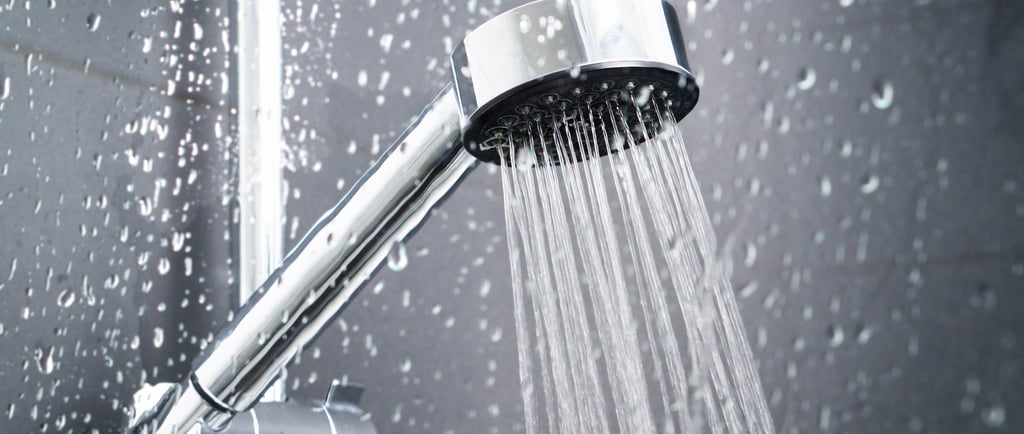
🚿 Why Waiting for Hot Water Feels So Frustrating
You turn on the shower, stand there half awake, and wait. And wait. Meanwhile, gallons of perfectly usable water disappear down the drain before the water ever gets warm.
It’s one of those daily annoyances many homeowners simply accept, especially in larger homes where bathrooms are farther from the water heater. But that wasted time and water can add up faster than most people realize.
A hot water recirculation pump is designed to solve exactly that problem. Instead of making you wait while cooled water clears out of the pipes, the system helps keep hot water moving through the plumbing so it reaches fixtures much faster.
The result is a home that feels more convenient, more efficient, and a little less aggravating during busy mornings.
💧 What a Hot Water Recirculation Pump Actually Does
In a standard plumbing system, hot water sits in the pipes after use and gradually cools down. The next time someone opens a faucet or shower valve, all that cooled water has to leave the line before fresh hot water arrives from the heater.
A recirculation system changes that process.
The pump continuously or periodically moves hot water through the plumbing system so warm water stays closer to fixtures. That means less waiting and less waste.
There are two common styles of residential systems:
Dedicated return line systems
Retrofit crossover valve systems
A dedicated return line system uses a separate pipe that sends unused hot water back to the heater. These are common in larger homes or homes designed with recirculation in mind from the start.
Retrofit systems are often installed in existing homes without adding major new piping. They typically use a special crossover valve beneath the sink farthest from the water heater.
Both approaches aim to accomplish the same thing: getting hot water to you faster.
🏠 Homes That Benefit the Most
Not every house has severe hot water delays, but some homes are especially good candidates for recirculation systems, including these:
Large homes with long pipe runs
Multi-story homes
Homes where the water heater is far from bathrooms
Houses with master suites on opposite ends of the structure
Homes with slab foundations that make repiping difficult
Families with heavy morning bathroom traffic
If you routinely run water for 30 seconds or more before it gets hot, a recirculation system may make a noticeable difference.
Some homeowners are surprised to discover how much water they waste during those waiting periods. Over weeks, months, and years, the numbers become substantial.
⚙️ Different Pump Controls and Smart Features
Modern recirculation pumps are far more advanced than older systems that simply ran nonstop all day.
Today’s pumps may include these features:
Timers
Motion sensors
Temperature sensors
Smart controls
Learning technology that adapts to household routines
For example, some systems can automatically operate during peak usage times, like early mornings and evenings, while staying off overnight or during work hours.
That matters because constantly circulating hot water can slightly increase energy use if the system isn’t managed properly. Smart controls help balance convenience with efficiency.
Many homeowners prefer timer-based systems because they offer a good middle ground between comfort and operating cost.
🔥 Will a Recirculation Pump Increase Energy Bills?
This is one of the biggest questions homeowners ask, and the answer depends heavily on the system design and how it’s used.
A poorly controlled system that circulates hot water continuously can increase heat loss through the pipes. Essentially, the plumbing system becomes a giant radiator that slowly releases warmth throughout the home.
However, properly installed systems with insulation, timers, or demand controls can reduce unnecessary operation significantly.
In many cases, homeowners decide the convenience alone is worth the tradeoff. Others appreciate the water savings just as much.
The key is choosing the right setup for the home rather than assuming every recirculation system works the same way.
🛠️ Installation Considerations Before You Commit
Installing a hot water recirculation pump isn’t always a huge project, but there are several important factors to evaluate first, including these:
Existing plumbing layout
Distance from fixtures to the water heater
Pipe accessibility
Electrical access near the water heater
Whether a dedicated return line already exists
Water heater condition and capacity
In some homes, installation can be relatively straightforward. In others, especially older homes with limited access, the project may require more planning.
A professional assessment can help determine which type of system makes the most sense and whether the expected improvement justifies the installation cost.
It’s also important to verify that the water heater itself is in good condition. If the heater is already nearing the end of its lifespan, homeowners sometimes choose to address both upgrades together.
🚰 The Water-Saving Side Most People Overlook
Many homeowners first become interested in recirculation systems because they hate waiting for hot water. But the water conservation aspect can be surprisingly significant.
Think about how many times sinks, tubs, and showers get turned on throughout the day:
Morning showers
Handwashing
Dishwashing
Evening routines
Laundry room sink use
Even small waiting periods repeated constantly can waste a tremendous amount of water over time.
That’s especially true in drought-prone regions or areas where water costs continue rising.
Reducing waste doesn’t just help utility bills. It also reduces the strain on plumbing systems and municipal infrastructure overall.
👨🔧 Common Misunderstandings About Recirculation Systems
There are a few myths that tend to create confusion around these systems.
One common misconception is that a recirculation pump gives “instant” hot water everywhere. In reality, most systems simply reduce waiting time substantially. You may still experience a brief delay depending on the fixture location and system design.
Another misunderstanding is that every system requires major remodeling. Retrofit options have made installation far more practical in existing homes than many people realize.
Some homeowners also worry that pumps are noisy. Modern systems are typically much quieter than older designs, especially when installed properly.
And finally, some assume these systems are only for luxury homes. In reality, they’re often installed simply to improve everyday convenience and reduce waste in homes with long plumbing runs.
🧼 Is a Hot Water Recirculation Pump Worth It?
For many homeowners, the answer comes down to daily frustration.
If you’re tired of standing around waiting for showers to warm up, wasting water at bathroom sinks, or dealing with long delays in distant parts of the house, a recirculation system can noticeably improve how the home functions.
These are the key benefits:
Faster access to hot water
Less water waste
Improved convenience
Better comfort during busy routines
More consistent hot water delivery across the home
Like most plumbing upgrades, the value depends on the home’s layout and the quality of the installation.
But when properly designed, a hot water recirculation system can turn one of the most annoying little household routines into something you barely think about anymore.
Contact
Main Office
Social
3560 S 2200 W
West Valley City, UT 84119
P.O. Box 25123
Salt Lake City, UT 84125
Monday – Friday:
7:00 am – 3:30 pm
Billing & Mailing Address
Hours
© Budd M. Rich Plumbing Company, DBA BRPI Mechanical. All rights reserved.