Grease Management Best Practices for Restaurants Going into Busy Season
COMMERCIAL KITCHEN PLUMBINGCOMMERCIAL PLUMBINGCOMMERCIAL PLUMBING MAINTENANCE
3/31/20264 min read
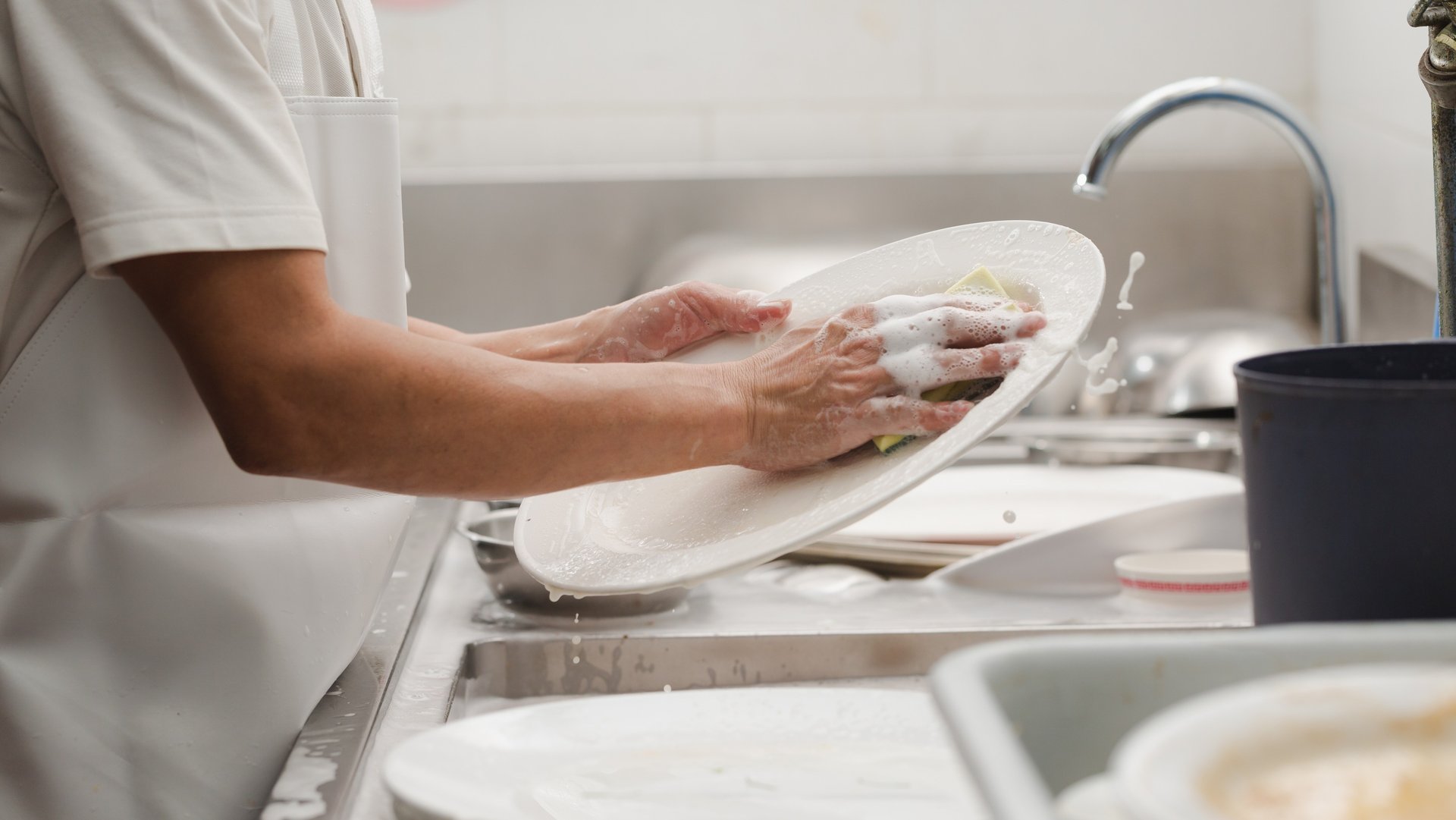
The weeks leading into a restaurant’s busy season always feel like a sprint: staff training ramps up, menus tighten, and prep lists grow longer by the day. But one area that often gets overlooked—until it becomes a crisis—is grease management. When customer volume spikes, grease production skyrockets, and any weakness in your system becomes a liability. Clogged lines, foul odors, surprise overflows, and emergency pump‑outs can derail service and drain your budget fast.
Strong grease management isn’t just a compliance box to check. It’s a frontline operational strategy that protects your kitchen, your plumbing, and your reputation. As you prepare for the rush, a proactive approach will keep your team focused on guests instead of scrambling to contain preventable messes.
Why Busy Season Magnifies Grease Problems
High‑volume service amplifies every inefficiency. More frying, more sautéing, more dishwashing, and more prep all translate into more fats, oils, and grease (FOG) entering your plumbing system. Even a well‑maintained grease trap can get overwhelmed if the workload suddenly doubles.
The consequences aren’t subtle. Slow drains turn into backups. Grease traps overflow. Odors drift into dining areas. Health inspectors take notice. And once grease hardens in your lines, the fix becomes expensive and disruptive.
Kitchen Habits That Make or Break Your System
Your staff’s daily routines determine how much grease reaches your trap in the first place. Small behavior shifts can dramatically reduce buildup and extend the life of your plumbing.
The following habits strengthen your kitchen’s grease defenses:
Dry‑wipe cookware and pans before washing: Removing excess grease with a towel keeps it out of your drains entirely.
Use sink strainers consistently: Capturing food solids prevents them from mixing with grease and forming blockages.
Dispose of fryer oil properly: Pouring oil into a drain—even once—creates long‑term problems.
Train dish staff to avoid hot‑water flushing: Hot water melts grease temporarily, but it re‑solidifies farther down the line, where it’s harder to reach.
Keep mop sinks grease‑free: Dirty mop water often contains enough grease to cause issues if dumped carelessly.
These habits seem small, but during peak season, they add up to hundreds of gallons of protected plumbing.
Grease Trap Maintenance That Keeps You Ahead of Problems
Your grease trap is the heart of your FOG‑control system, and busy season puts it under maximum stress. A trap that’s overdue for service or sized incorrectly will fail when you need it most.
These practices ensure your trap stays reliable under heavy load:
Schedule pump‑outs before the rush begins: Starting busy season with a clean trap gives you the best buffer against sudden volume increases.
Increase service frequency temporarily: If your kitchen output doubles, your pumping schedule should adjust accordingly.
Inspect baffles and lids during each service: Damaged components reduce efficiency and allow grease to bypass the trap.
Verify that your trap is properly sized: A trap that’s too small for your volume will overflow no matter how well you maintain it.
Keep accurate maintenance logs: Documentation protects you during inspections and helps you spot patterns before they become problems.
A well‑maintained trap is your strongest defense against mid‑shift emergencies.
Line Cleaning Strategies That Prevent Costly Backups
Even with perfect habits and consistent trap service, grease still accumulates in drain lines over time. Busy season accelerates this buildup, and waiting for a clog to appear is a recipe for disaster.
The following strategies keep your lines flowing freely:
Schedule preventative hydro‑jetting: High‑pressure water removes hardened grease that routine service can’t reach.
Clean lines leading to and from the trap: These areas are the most common failure points during peak volume.
Address slow drains immediately: A slow drain is an early warning sign, not a minor inconvenience.
Avoid chemical drain cleaners: Many products push grease deeper into the system or damage pipes.
Coordinate line cleaning with trap service: Combining these tasks maximizes efficiency and minimizes downtime.
Proactive line maintenance is far cheaper—and far less stressful—than emergency plumbing calls during a dinner rush.
Equipment Upgrades That Pay Off During Peak Volume
Some kitchens outgrow their grease‑handling systems without realizing it. If your restaurant has expanded, added menu items, or increased seating, your grease output may exceed what your current setup can handle.
These upgrades help high‑volume kitchens stay ahead of demand:
Install a larger or secondary grease trap: Additional capacity prevents overflows during peak hours.
Add automatic grease removal units (AGRUs): These systems skim grease continuously, reducing manual maintenance.
Upgrade to high‑efficiency dishwashers: Better filtration reduces the amount of grease entering your drains.
Improve hood and ventilation systems: Cleaner air systems reduce airborne grease that eventually settles into drains.
Use floor drains designed for heavy grease environments: Specialized grates and traps reduce buildup at ground level.
Upgrades aren’t always necessary, but when they are, they quickly pay for themselves in reduced downtime and fewer repairs.
Staff Training That Keeps Your System Running Smoothly
Even the best equipment can’t compensate for inconsistent staff habits. Training becomes especially important when seasonal hires join your team.
The following training priorities strengthen your grease‑management culture:
Teach the “why” behind grease rules: Staff follow procedures more consistently when they understand the consequences.
Demonstrate proper disposal methods: Hands‑on training beats written instructions every time.
Assign clear responsibilities: When everyone owns a task, no one owns it.
Reinforce habits during pre‑shift meetings: Quick reminders keep expectations fresh.
Celebrate compliance: Positive reinforcement builds long‑term consistency.
A well‑trained team is your most reliable line of defense.
Final Thoughts
Busy season brings excitement, energy, and opportunity—but it also brings pressure. Grease management is one of the few areas where a little preparation prevents a lot of chaos. By tightening kitchen habits, maintaining your trap, cleaning your lines, upgrading where needed, and training your team, you set your restaurant up for a smooth, profitable season.
Contact
Main Office
Social
3560 S 2200 W
West Valley City, UT 84119
P.O. Box 25123
Salt Lake City, UT 84125
Monday – Friday:
7:00 am – 3:30 pm
Billing & Mailing Address
Hours
© Budd M. Rich Plumbing Company, DBA BRPI Mechanical. All rights reserved.