
How to Handle Frozen Pipes in Office Buildings
SEASONAL COMMERCIAL PLUMBINGCOMMERCIAL PLUMBINGCOMMERCIAL PLUMBING DIY
1/13/20265 min read
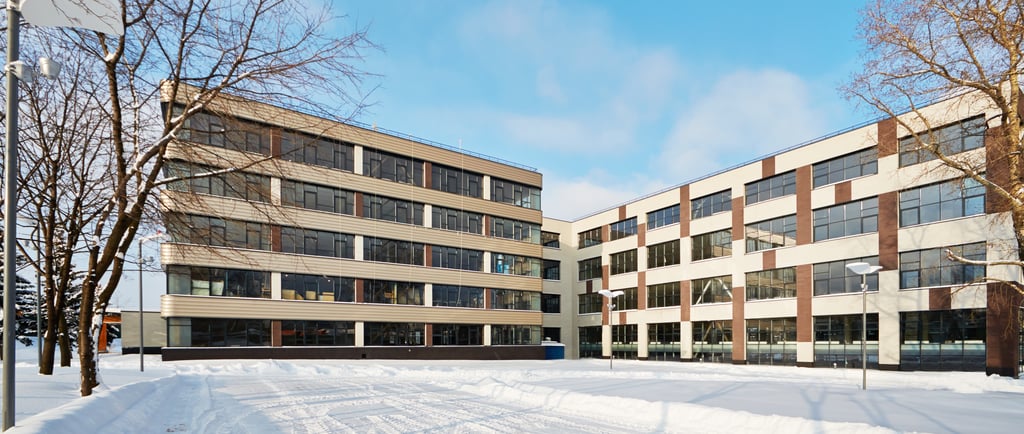
When winter temperatures plunge, frozen pipes become one of the most common—and costly—problems for office buildings. Unlike residential properties, commercial spaces often have larger plumbing systems, more complex layouts, and areas that don’t receive consistent heating. A single frozen pipe can disrupt business operations, damage equipment, and lead to expensive repairs. The good news is that with the right knowledge and preparation, building managers can dramatically reduce the risk and respond quickly when freezing does occur.
Below, we break down why pipes freeze, how to spot the warning signs, what to do when it happens, and how to prevent future issues. Whether you manage a small office or a multi‑story commercial building, these insights will help you protect your property and keep operations running smoothly all winter long.
Why Office Building Pipes Freeze
Frozen pipes occur when water inside the plumbing system drops below 32°F and begins to solidify. As water freezes, it expands—putting pressure on the pipe walls. Eventually, this pressure can cause the pipe to crack or burst, leading to significant water damage once the ice thaws.
Office buildings are especially vulnerable for a few reasons:
Inconsistent heating: Areas like storage rooms, mechanical spaces, stairwells, and vacant offices may not receive adequate heat.
Exterior walls: Pipes running along poorly insulated exterior walls are exposed to cold air.
Large, complex plumbing systems: The more extensive the system, the more opportunities for cold pockets to form.
Holiday closures: Long weekends or holiday shutdowns often mean lower indoor temperatures and less monitoring.
Understanding these risk factors is the first step toward preventing frozen pipes.
Early Warning Signs of Frozen Pipes
Catching a frozen pipe early can save thousands of dollars in repairs. Here are the most common red flags you should watch for:
1. Reduced or No Water Flow
If faucets or fixtures suddenly produce only a trickle—or no water at all—there may be ice blocking the line.
2. Frost on Exposed Pipes
Visible frost or ice buildup is a clear indicator that the pipe is freezing internally.
3. Strange Odors
If a pipe is partially blocked by ice, odors from drains may back up into the building.
4. Unusual Noises
Banging, clanking, or gurgling sounds can signal expanding ice or pressure changes inside the pipe.
If you notice any of these signs, it’s important to act quickly before the pipe bursts.
What to Do When Pipes Freeze in an Office Building
When you suspect a frozen pipe, time is of the essence. Here’s a step‑by‑step guide to handling the situation safely and effectively.
1. Locate the Frozen Section
Start by identifying which fixtures are affected. If only one faucet has low flow, the freeze is likely near that line. If multiple areas are impacted, the issue may be deeper in the system.
You can begin your search by checking these areas:
Unheated mechanical rooms
Pipes along exterior walls
Areas near loading docks or garage doors
Crawl spaces and basements
2. Shut Off the Water Supply
Before attempting to thaw anything, turn off the main water supply to the building or the affected zone. This reduces the risk of flooding if the pipe has already cracked.
3. Open Faucets
Open both the hot and cold taps connected to the frozen line. This relieves pressure and allows water to escape once thawing begins.
4. Begin Safe Thawing
Never use open flames, blowtorches, or propane heaters—they are fire hazards and can damage the pipe.
Instead, you should use safe, controlled methods, such as the following:
Electric heating pads wrapped around the pipe
Portable space heaters placed nearby (not touching the pipe)
Warm towels soaked in hot water
Heat tape designed for plumbing systems
Start thawing near the faucet and work your way back toward the frozen section. This helps melted water escape rather than building up behind the ice.
5. Check for Leaks
Once water begins flowing again, inspect the pipe carefully. Even a small crack can lead to major damage once full pressure returns.
If you find any leaks—or if you’re unsure—call a licensed commercial plumber immediately.
6. Restore Water Slowly
Turn the water supply back on gradually. Sudden pressure can worsen hidden damage.
When to Call a Professional Plumber
While minor freezes can sometimes be handled in‑house, many situations require professional expertise—especially in commercial buildings.
You should call a plumber if any of these situations apply:
You cannot locate the frozen section
Multiple areas of the building are affected
You suspect a burst pipe
Thawing attempts aren’t working
You notice leaks, cracks, or water damage
The building has complex or specialized plumbing systems
A professional plumber can use specialized tools such as thermal imaging cameras, pipe thawing machines, and moisture detection equipment to diagnose and resolve the issue quickly.
Preventing Frozen Pipes in Office Buildings
Prevention is always more cost‑effective than repair. Here are the most reliable strategies you can use to keep your office plumbing safe during winter.
1. Insulate Vulnerable Pipes
Use foam insulation sleeves or fiberglass wrap on pipes located in the following areas:
Exterior walls
Attics
Basements
Mechanical rooms
Parking garages
Insulation helps maintain temperature and reduces the risk of freezing.
2. Seal Air Leaks
Cold drafts can quickly freeze pipes, so be sure to seal gaps around these:
Windows
Doors
Electrical conduits
Wall penetrations
Foundation cracks
Even small openings can let in enough cold air to cause problems.
3. Maintain Consistent Indoor Temperatures
Keep the building at a minimum of 55°F—even during nights, weekends, and holiday closures. For large buildings, ensure that all zones receive adequate heat.
4. Allow Water to Drip During Extreme Cold
A slow trickle keeps water moving, which makes freezing less likely. This is especially helpful for pipes along exterior walls.
5. Install Smart Monitoring Systems
Modern leak detection and temperature monitoring systems can alert building managers to freezing risks before damage occurs. These systems can be integrated into building automation platforms for real‑time oversight.
6. Schedule Regular Plumbing Inspections
Routine maintenance helps identify vulnerabilities such as aging pipes, poor insulation, or outdated fixtures. A professional plumber can recommend upgrades that reduce long‑term risk.
7. Prepare a Winterization Plan
Every office building should have a documented plan that includes the following components:
A map of the plumbing system
Locations of shut‑off valves
Emergency contact information
Procedures for cold weather events
Training staff on this plan ensures a quick response when temperatures drop.
Why Frozen Pipes Are a Serious Business Risk
Beyond the inconvenience, frozen pipes can lead to these issues:
Flooding and water damage
Mold growth
Electrical hazards
Damage to office equipment and inventory
Temporary business closures
Costly repairs and insurance claims
A burst pipe can release hundreds of gallons of water in minutes. For businesses, that can mean lost revenue, downtime, and long‑term structural damage.
Final Thoughts
Frozen pipes in office buildings are more than a winter nuisance—they’re a serious threat to property, productivity, and safety. But with the right preparation, early detection, and swift action, you can protect your building and avoid costly disruptions.
If your office is experiencing frozen pipes—or if you want to winterize your building before temperatures drop—our team is here to help. We specialize in commercial plumbing solutions designed to keep your business running smoothly, no matter how cold it gets.
Contact
Main Office
Social
3560 S 2200 W
West Valley City, UT 84119
P.O. Box 25123
Salt Lake City, UT 84125
Monday – Friday:
7:00 am – 3:30 pm
Billing & Mailing Address
Hours
© Budd M. Rich Plumbing Company, DBA BRPI Mechanical. All rights reserved.