How to Test Your Home’s Water Quality at Home (And When to Call for Lab Testing)
COST-SAVING PLUMBING TIPSRESIDENTIAL PLUMBINGFAQS
3/3/20264 min read
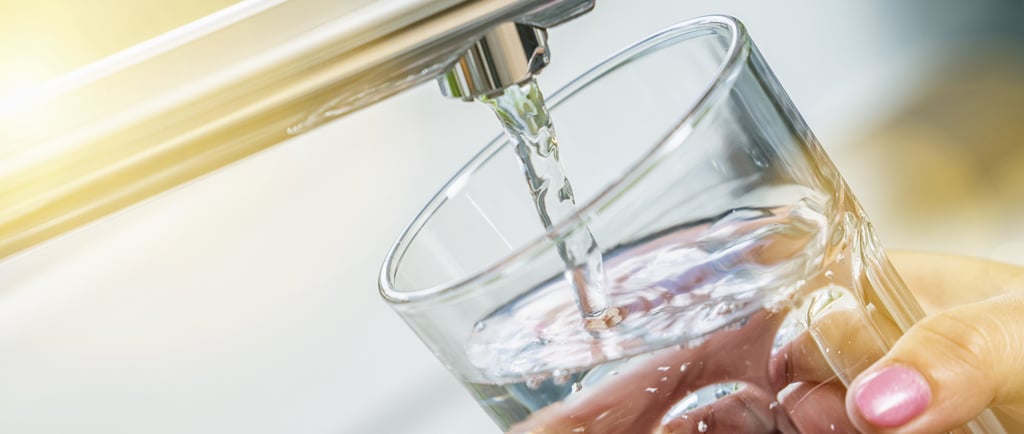
You turn on the tap. The water looks clear. It tastes…fine. Probably.
But is it actually fine?
Most homeowners assume that if their water’s clear and doesn’t smell strange, everything’s good to go. The truth is a little more nuanced. Water can carry dissolved minerals, metals, or contaminants you can’t see, smell, or taste. And in parts of the Wasatch Front, mineral-heavy water isn’t unusual at all.
The good news is you can learn a lot about your home’s water quality without expensive equipment. Even better: you can figure out when DIY testing is enough, and when it’s time to call in a certified lab.
Let’s walk through it.
🚰 Step One: Use Your Senses (Yes, Really)
Before you buy anything, start with observation.
You should ask yourself the following questions:
Does the water leave white spots on faucets or shower doors?
Are dishes coming out cloudy from the dishwasher?
Does your water have a metallic, sulfur, or chlorine smell?
Has the taste changed recently?
Are you noticing blue-green staining around fixtures?
These aren’t random annoyances. They’re clues.
White spotting usually points to hard water, meaning high calcium and magnesium. Blue-green stains can signal copper corrosion. A rotten egg smell often means hydrogen sulfide. A metallic taste may suggest iron, or even corrosion happening inside your plumbing.
This step doesn’t replace testing. But it gives you direction before you start guessing.
🧪 Step Two: Try an At-Home Water Test Kit
At-home water test kits are easy to find and relatively inexpensive. Most kits are designed to test for the following:
pH level
Hardness
Iron
Copper
Chlorine
Nitrates
Sometimes lead
Most of them use test strips that change color when dipped into a water sample. You compare the strip to a chart to estimate levels.
Are they lab-accurate? No. Are they useful? Absolutely. They’re great for screening.
If you live in an older home, especially one built before the mid-1980s, testing for lead is smart. If you’re on a private well instead of municipal water, regular testing isn’t optional. It’s part of responsible ownership.
At-home kits tend to work well in the following situations:
You want a general overview.
You suspect hard water.
You’re checking chlorine levels.
You want baseline data before installing treatment equipment.
They’re less helpful when you suspect very specific contaminants at extremely low concentrations.
💧 Testing for Hard Water (A Utah Classic)
If you’re in Northern Utah, there’s a strong chance your water’s hard. Hard water isn’t typically unsafe to drink, but it’s tough on plumbing systems, water heaters, and fixtures.
Here’s a simple DIY check:
Fill a clear bottle halfway with tap water. Add a few drops of liquid dish soap. Shake it up.
If you get lots of suds and the water looks clear, it’s likely softer.
If you see minimal suds and cloudy water, hardness is probably high.
Is this scientific? Not exactly. Is it surprisingly reliable? Yes.
Hard water leads to scale buildup inside pipes and appliances. Over time, that buildup reduces efficiency and shortens equipment lifespan. If you’re seeing scale on your faucets, there’s probably scale forming where you can’t see it, too.
🏠 Step Three: Think About Your Plumbing System
Water quality isn’t just about the source. It’s also about what the water travels through before it reaches your glass.
Older galvanized pipes can contribute rust and sediment. Aging copper lines can release elevated copper levels if corrosion is happening. Newer materials like PEX typically don’t affect mineral content much, but they’re still influenced by the chemistry of the incoming water.
If your neighbors aren’t experiencing the same issues you are, the problem may be inside your home rather than coming from the municipal supply.
That distinction matters.
🔬 When At-Home Testing Is Enough
DIY testing is usually sufficient in the following situations:
You’re troubleshooting taste or odor concerns.
You’re evaluating hardness before installing a softener.
You want routine monitoring.
You’re checking chlorine levels after installing a filter.
Municipal systems along the Wasatch Front are regulated and tested regularly. Annual water quality reports are publicly available and outline contaminant levels in your area.
If you’re on city water and nothing seems off, at-home testing may give you all the reassurance you need.
🧯 When It’s Time for Professional Lab Testing
You should consider certified lab testing under the following circumstances:
Your home uses a private well.
You suspect lead contamination.
There’s been nearby construction, flooding, or environmental contamination.
Someone in your home has unexplained health symptoms that could be water-related.
You’re buying or selling a home and want formal documentation.
You’re dealing with persistent staining, odor, or taste issues that DIY kits can’t explain.
Professional lab tests are far more sensitive and precise. They can measure contaminants in parts per billion. They also provide formal documentation if it’s needed for a real estate transaction.
For well owners, annual testing for bacteria and nitrates is widely recommended. Wells aren’t regulated the same way municipal systems are, so the responsibility falls on the homeowner.
⚠️ A Quick Note About “Clear” Water
Clear doesn’t mean clean.
Many contaminants are invisible. Lead has no taste. Nitrates are colorless. Certain bacteria can’t be detected by smell alone.
That’s why relying purely on appearance can create a false sense of security.
On the flip side, not all cloudy or discolored water is dangerous. Air bubbles can temporarily make water look milky. Hard water leaves residue, but it isn’t inherently unsafe.
The goal isn’t panic. It’s clarity.
🔄 Establish a Simple Testing Routine
If you want a practical approach, here’s a solid plan:
Review your municipal water quality report annually.
Perform at-home strip testing once or twice per year.
Test immediately if taste, odor, or color changes.
Schedule certified lab testing if you have a private well, live in an older home with potential lead risk, or notice unexplained concerns.
Water chemistry can shift over time due to seasonal changes, system maintenance, or aging plumbing. One test is helpful. Periodic testing is smarter.
💡 The Bigger Picture: Water Quality and Your Plumbing
Water quality affects more than what you drink. High mineral content can slowly choke a water heater with scale. Corrosive water can eat away at fittings long before you ever see a drip. And some contaminants won’t announce themselves at all.
That’s exactly why testing matters. Not because you should worry about your water, but because you shouldn’t have to guess about it. A few simple checks can tell you whether everything’s fine, whether a softener makes sense, or whether it’s time for deeper testing. It’s a small step that brings real clarity — and that’s a far better place to be than crossing your fingers every time you turn on the tap.
Contact
Main Office
Social
3560 S 2200 W
West Valley City, UT 84119
P.O. Box 25123
Salt Lake City, UT 84125
Monday – Friday:
7:00 am – 3:30 pm
Billing & Mailing Address
Hours
© Budd M. Rich Plumbing Company, DBA BRPI Mechanical. All rights reserved.