Peak Irrigation Playbook: 6 Steps to Assess and Prevent Commercial Backflow Incidents
SEASONAL COMMERCIAL PLUMBINGCOMMERCIAL PLUMBINGCOMMERCIAL PLUMBING MAINTENANCE
6/9/20264 min read
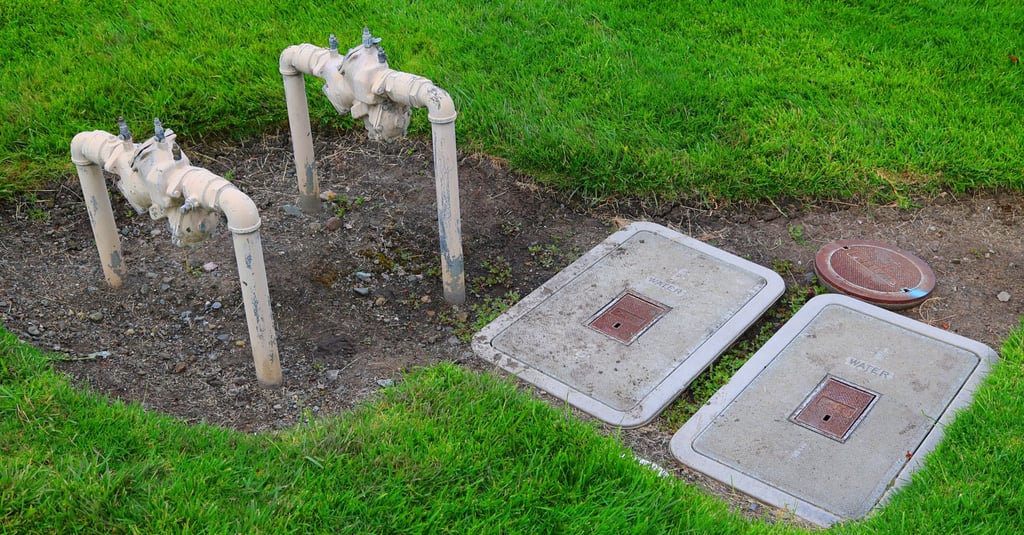
Commercial irrigation systems work hard—especially during peak watering season. But when pressure shifts, valves fail, or cross‑connections aren’t protected, water can reverse direction and pull contaminants straight into a building’s potable supply. Backflow incidents aren’t just inconvenient; they can trigger shutdowns, boil‑water notices, code violations, and expensive emergency repairs.
The good news is that most backflow problems are predictable and preventable. With a structured assessment and a proactive maintenance plan, facility managers can keep irrigation systems running smoothly and protect their water supply all season long. This playbook breaks down the six essential steps every commercial property should follow.
1. Map Every Cross‑Connection—Then Validate It in the Field
The first step in preventing backflow is knowing exactly where it can occur. Most commercial properties have more cross‑connections than they realize: irrigation tie‑ins, hose bibs, cooling towers, fire lines, chemical feed systems, and more. Even a single unprotected connection can compromise the entire water system.
Start with a full site map. If you don’t have one, create it. If you do have one, verify it. Walk the property with your irrigation contractor or maintenance team and confirm these details:
Where irrigation lines connect to potable water
Whether each connection has a functioning, code‑approved backflow preventer
Whether any “temporary” connections (construction hoses, seasonal lines, etc.) have been added since the last inspection
This field validation step is where most surprises show up. It’s also where you’ll catch the hidden risks—like a forgotten hose left submerged in a chemical mixing tank or a bypass valve someone opened “just for a minute.”
2. Evaluate Your Backflow Preventer Type and Condition
Not all backflow preventers are created equal. The right device depends on the hazard level, system pressure, and local code requirements. For irrigation systems, the most common devices include these:
Pressure Vacuum Breakers (PVBs) – Good for basic irrigation but vulnerable to freezing and not suitable for high‑hazard conditions.
Double Check Valve Assemblies (DCVAs) – Reliable for low‑hazard systems but not approved for anything involving fertilizers or chemical injection.
Reduced Pressure Zone Assemblies (RPZs) – The gold standard for high‑hazard irrigation systems, especially those with chemical feed or elevation changes.
Once you confirm the device type, assess its condition. Look for corrosion, leaks, missing test ports, damaged relief valves, or signs of freezing. A backflow preventer that “looks fine” can still fail under pressure changes, so visual inspection is only the first step.
3. Test Annually—But Increase Frequency During Peak Season
Annual testing is the minimum requirement in most jurisdictions, but commercial irrigation systems often need more frequent checks. Pressure fluctuations are more common during peak watering months, especially under these conditions:
Multiple zones run simultaneously
Booster pumps cycle on and off
Municipal pressure drops during early‑morning irrigation windows
Seasonal construction or landscaping work alters the system
A mid‑season test can catch failures long before they turn into contamination events. If your property uses RPZs, consider quarterly testing—they’re highly protective but also more sensitive to debris and pressure swings.
4. Inspect Irrigation Components That Influence Pressure
Backflow incidents often start with something that doesn’t look like a backflow problem at all. A stuck valve, a cracked pipe, or a malfunctioning pump can create sudden pressure drops that pull contaminants backward.
During peak irrigation season, be sure to check these:
Zone valves for slow closing or debris buildup
Mainline piping for leaks, cracks, or pressure loss
Pump systems for short‑cycling or cavitation
Elevation changes that can create unexpected siphon conditions
Fertilizer or chemical injection systems for proper isolation and backflow protection
If your irrigation system uses fertigation, treat it as a high‑hazard system every time. Even trace amounts of fertilizer can contaminate potable water.
5. Protect Against Seasonal and Environmental Risks
Backflow risk isn’t static—it changes with weather, landscaping, and property use. Peak irrigation season includes these environmental triggers:
Heat waves that increase water demand and reduce municipal pressure
Heavy rainstorms that flood irrigation boxes and submerge valves
Construction activity that alters pressure zones or introduces temporary connections
Landscaping changes that bury, damage, or obstruct backflow assemblies
RPZs, in particular, must remain above grade and fully visible. If landscaping crews bury them—or if mulch piles up around them—the relief valve can’t discharge properly. That’s a fast track to failure.
6. Build a Preventive Maintenance Plan That’s Actually Followed
A backflow preventer is only as reliable as the maintenance plan behind it. The most effective commercial plans cover these bases:
A documented inspection schedule (monthly visual checks, mid‑season testing, annual certification)
A clear chain of responsibility so nothing falls through the cracks
A log of repairs, test results, and device replacements
A rapid‑response protocol for pressure drops, irrigation failures, or water‑quality complaints
If your property has multiple buildings or large irrigation zones, consider color‑coding or tagging each backflow device. This makes inspections faster and reduces the chance of missing a unit tucked behind shrubs or mechanical equipment.
Why Backflow Prevention Matters More Than Ever
Commercial properties face increasing pressure—literally and figuratively. Aging municipal infrastructure, higher irrigation demand, and more complex landscaping systems all raise the risk of backflow incidents. At the same time, water quality regulations are tightening, and enforcement is becoming more aggressive.
A single backflow event can lead to these issues:
Tenant complaints and service disruptions
Emergency flushing and disinfection
Fines or code violations
Damage to your property’s reputation
Costly repairs or system replacements
But with a structured, proactive approach, most incidents never happen. Follow this playbook and you’ll have a clear, repeatable process to protect your water supply and keep irrigation systems performing at their peak.
Final Takeaway
Backflow prevention isn’t just a compliance task—it’s a critical part of protecting your building, your occupants, and your water supply. By mapping cross‑connections, choosing the right devices, testing regularly, monitoring system pressure, accounting for seasonal risks, and following a disciplined maintenance plan, you can dramatically reduce the chance of a costly backflow incident.
Contact
Main Office
Social
3560 S 2200 W
West Valley City, UT 84119
P.O. Box 25123
Salt Lake City, UT 84125
Monday – Friday:
7:00 am – 3:30 pm
Billing & Mailing Address
Hours
© Budd M. Rich Plumbing Company, DBA BRPI Mechanical. All rights reserved.