Plumbing Considerations When Adding Tenant Spaces to a Building
COMMERCIAL PLUMBING FAQSCOMMERCIAL PLUMBING
4/14/20265 min read
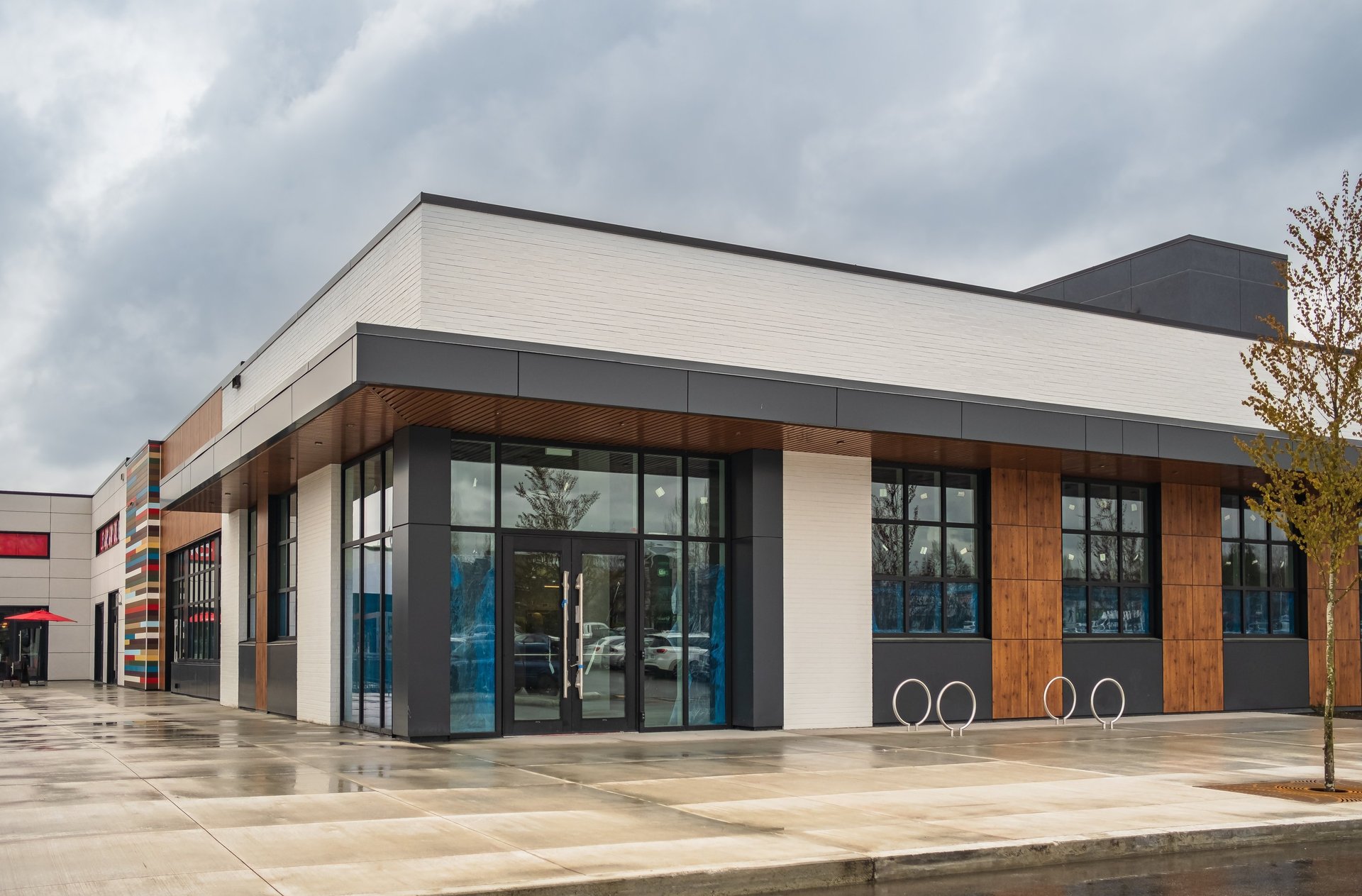
Expanding a commercial building to include new tenant spaces is an exciting opportunity—more leasable square footage, more revenue, and a more dynamic property overall. But behind every successful expansion is a web of infrastructure decisions, and plumbing sits near the top of that list. Whether you’re carving out new suites in an existing shell or reconfiguring a floor plate to accommodate additional tenants, plumbing is one of the most consequential systems to get right early.
Thoughtful planning doesn’t just keep construction on schedule. It protects long‑term operating costs, reduces maintenance headaches, and ensures tenants can run their businesses without constant service calls. Below is a comprehensive guide to the plumbing considerations every commercial landlord should evaluate before adding new tenant spaces.
1. Start With a Clear Understanding of Existing Infrastructure
Before you can design plumbing for new tenant spaces, you need a precise picture of what you already have. This includes the following:
Main supply line capacity
Your building’s domestic water service must be able to support additional fixtures, equipment, and peak‑use demands. Undersized supply lines can lead to low pressure, slow fill times, and tenant complaints from day one.
Drainage and venting layout
Adding tenant spaces often means tying into existing DWV lines. Answer these questions early:
Are current lines sized for additional load?
Are there accessible tie‑in points?
Will new branch lines require re‑sloping or rerouting?
Water heater capacity
If tenants will share centralized hot water, verify that your heaters—or boilers—can handle the increased demand. If not, you may need to add capacity or shift to tenant‑specific water heating.
Pipe condition and age
Older galvanized or copper lines may not support new connections without risk of leaks or corrosion. A pre‑construction inspection can prevent costly surprises.
A thorough assessment upfront gives your design team the information they need to plan efficiently and avoid mid‑project redesigns.
2. Understand Each Tenant’s Plumbing Needs
Not all tenant spaces are created equal. A professional office suite might need little more than a break‑room sink and a restroom, while a restaurant, salon, medical office, or fitness center can require extensive plumbing infrastructure.
Key questions to ask prospective tenants:
How many fixtures will they need?
Will they require specialty equipment (e.g., mop sinks, eyewash stations, floor drains, commercial dishwashers, washer/dryer hookups)?
Do they need hot water at high volumes?
Will they generate grease, sediment, or other waste requiring pretreatment?
The more you know about tenant operations, the more accurately you can design systems that meet code and avoid future conflicts.
3. Plan for Vertical and Horizontal Routing Early
One of the biggest challenges in adding tenant spaces is finding viable paths for supply and drainage lines. Plumbing is unforgiving—water flows downhill, vents must rise, and pipes need space.
Consider these points:
Chase walls: Do you have enough depth to run new stacks or supply lines?
Floor penetrations: Are you allowed to core through structural slabs, or do you need to route around them?
Ceiling height: Plumbing overhead can reduce clearance, especially in older buildings with tight plenum spaces.
Access panels: Code often requires accessible cleanouts and shut‑off valves.
Early coordination between plumbing, structural, and architectural teams prevents costly rework and ensures your layout remains code‑compliant.
4. Evaluate the Need for Grease, Oil, or Sediment Interceptors
If your new tenant mix includes restaurants, cafés, commercial kitchens, auto shops, or industrial users, you may need to install interceptors to protect your sewer system and comply with local regulations.
Common types include these:
Grease interceptors for food service
Oil/water separators for automotive or industrial tenants
Sediment traps for salons, labs, or manufacturing
These systems come with additional requirements:
Adequate space (often outdoors or in mechanical rooms)
Proper venting
Accessible cleanouts
Maintenance plans
Installing interceptors after tenants move in is disruptive and expensive, so it’s best to plan for them during the build‑out.
5. Confirm Code Requirements for Fixture Counts
Adding tenant spaces often triggers updated fixture requirements under the International Plumbing Code (IPC) or your local jurisdiction’s amendments. More tenants typically mean more occupants, which can increase the required number of fixtures:
Toilets
Lavatories
Drinking fountains
Service sinks
If your building’s existing restrooms don’t meet the new occupant load, you may need to add fixtures or construct additional restrooms within tenant suites.
6. Decide Between Centralized vs. Tenant‑Specific Systems
One of the most strategic decisions you’ll make is whether plumbing systems should be shared or isolated. There are benefits to both.
Centralized systems
Lower upfront installation cost
Simplified maintenance for the landlord
Fewer penetrations and less piping
Tenant‑specific systems
Independent shut‑offs
Individual metering for water usage
Reduced cross‑tenant impact during repairs
Flexibility for future tenant changes
For multi‑tenant buildings with diverse uses, tenant‑specific systems often reduce long‑term headaches.
7. Plan for Water Metering and Billing
If tenants will be billed individually for water usage, you’ll need to install submeters or separate meters. Submetering is increasingly common because it does the following:
Encourages conservation
Reduces disputes
Aligns costs with actual usage
Make sure meter locations are accessible for reading and maintenance.
8. Consider Future Flexibility
Buildings evolve. Tenants come and go. Uses change. Smart plumbing design anticipates that.
Here are some future‑proofing strategies:
Oversizing key supply and drainage lines
Installing capped stubs for future fixtures
Providing extra chase space for additional piping
Designing restrooms and wet walls in stackable locations
A little foresight now can save thousands during future tenant improvements.
9. Coordinate Plumbing With Other Trades
Plumbing doesn’t exist in a vacuum. It intersects with HVAC, electrical, fire protection, and architectural elements. When adding tenant spaces, coordination is essential.
Common coordination issues can come up:
Conflicts between ductwork and plumbing overhead
Electrical conduit blocking pipe routes
Fire sprinkler mains competing for ceiling space
Architectural soffits hiding required access points
Weekly coordination meetings during design and construction help keep everyone aligned and prevent costly field changes.
10. Don’t Overlook Water Quality and Pressure
Adding new tenant spaces can change how water moves through your building. Long, underused pipe runs can lead to stagnation, while increased demand can reduce pressure.
Follow these best practices:
Looping domestic water lines to maintain circulation
Installing pressure‑reducing valves where needed
Using recirculation pumps for hot water systems
Ensuring pipe materials match water chemistry
Good water quality isn’t just a tenant comfort issue—it’s a health and safety requirement.
11. Ensure Proper Access for Maintenance
Every valve, cleanout, trap, and mechanical component must be accessible. When adding tenant spaces, it’s easy to accidentally bury critical components behind walls or ceilings.
Plan for these:
Access panels
Clearances around water heaters
Reachable shut‑off valves
Cleanout locations that won’t be blocked by future tenant improvements
Maintenance access is one of the most overlooked aspects of plumbing design, but it’s one of the most important for long‑term building performance.
Final Thoughts
Adding tenant spaces is a major investment, and plumbing is one of the systems that can make or break the success of your expansion. By understanding your existing infrastructure, planning for tenant needs, coordinating with other trades, and designing with future flexibility in mind, you set the stage for a smooth build‑out and long‑term operational success.
Thoughtful plumbing design doesn’t just support your tenants—it protects your building, your budget, and your reputation as a landlord who delivers well‑designed, reliable spaces.
Contact
Main Office
Social
3560 S 2200 W
West Valley City, UT 84119
P.O. Box 25123
Salt Lake City, UT 84125
Monday – Friday:
7:00 am – 3:30 pm
Billing & Mailing Address
Hours
© Budd M. Rich Plumbing Company, DBA BRPI Mechanical. All rights reserved.