Prevent Costly Downtime: 7 Commercial Laundry Drain and Vent Tips for Hotels and Laundromats
COMMERCIAL PLUMBING MAINTENANCECOMMERCIAL PLUMBING
6/23/20263 min read
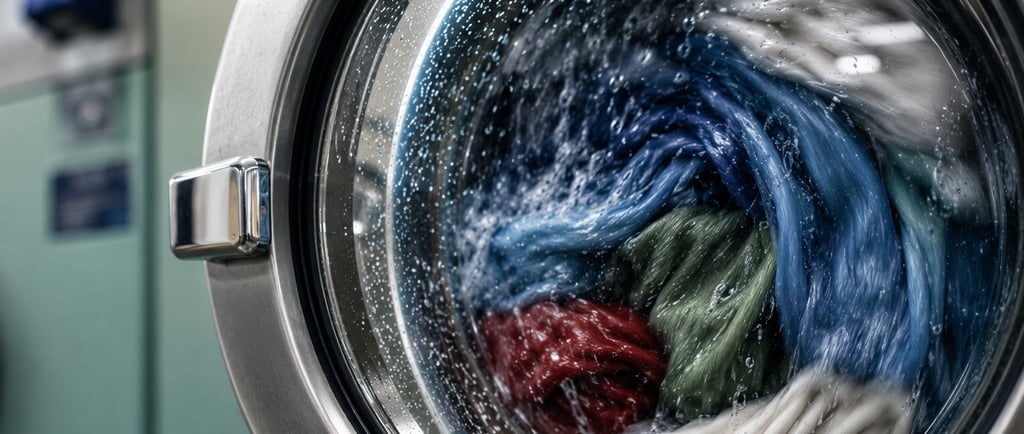
Commercial laundry rooms don’t get days off. Whether you’re running a hotel with nonstop linens or a laundromat with machines cycling from open to close, your drainage and venting systems take a beating. When they fail, the fallout is immediate: machines shut down, customers complain, staff scrambles, and revenue evaporates.
The good news is that most laundry‑related plumbing failures are preventable. With the right drain and vent strategies, you can keep water moving, protect your equipment, and avoid the kind of downtime that wrecks schedules and budgets. Here are seven practical, field‑tested tips that make a real difference.
1. Prioritize Oversized Drain Lines to Handle High‑Volume Discharge
Commercial washers release water fast—far faster than residential units. If your drain lines are undersized, they simply can’t keep up. The result is familiar: backups, slow drains, and water pooling around machines.
These guidelines help:
Use 3-inch or larger drain lines for banks of commercial washers.
Keep horizontal runs short to reduce friction loss.
Avoid unnecessary bends that slow discharge.
Oversizing isn’t overkill. It’s insurance. When your system can handle peak flow, you avoid the cascading failures that start with one slow drain and end with multiple machines offline.
2. Install and Maintain Proper Air Gaps to Prevent Cross‑Contamination
Laundry wastewater is full of lint, detergents, and organic debris. Without a proper air gap, there’s a real risk of dirty water siphoning back into your machines—something no health inspector or guest wants to see.
A well‑installed air gap is invaluable:
Prevents backflow during heavy discharge
Protects equipment from contamination
Helps maintain compliance with local plumbing codes
If you’ve ever seen a washer mysteriously fill with murky water, a missing or compromised air gap is often the culprit.
3. Keep Venting Systems Clear to Prevent Slow Drains and Machine Errors
Laundry equipment depends on proper venting just as much as your drain lines do. When vents clog with lint or moisture, negative pressure builds in the system. That leads to slow drainage, gurgling sounds, and even machine error codes that mimic mechanical failure.
A few practices can avoid those issues:
Schedule annual vent inspections
Clear lint buildup around vent terminations
Ensure vents are sized correctly for the number of connected fixtures
A clear vent system keeps water moving freely and prevents the vacuum effect that can stall your entire operation.
4. Use Lint Interceptors—and Clean Them More Often Than You Think
Lint is the silent killer of commercial laundry plumbing. It clings to pipe walls, settles in traps, and forms dense mats that choke off flow. Lint interceptors are essential, but they’re only effective when they’re maintained.
Hotels and laundromats often underestimate how fast these traps fill. Here’s a good rule of thumb:
Weekly cleaning for high‑volume facilities
Biweekly cleaning for moderate use
Immediate cleaning if you notice slow drainage or odors
A clean lint interceptor protects your entire drainage network and dramatically reduces emergency calls.
5. Slope Floor Drains and Trench Drains Correctly to Prevent Standing Water
Laundry rooms are wet environments by nature, but standing water is a red flag. It signals poor drainage and creates slip hazards, mold growth, and corrosion around machine bases.
Proper slope makes all the difference:
Aim for ¼ inch per foot toward the drain
Keep trench drains free of debris
Ensure drain grates are secure and undamaged
If water lingers after a wash cycle, it’s time to evaluate your floor drainage. Small slope corrections can prevent big problems.
6. Protect Drain Lines with Regular Hydro‑Jetting
Even with lint interceptors, commercial laundry drains accumulate buildup. Detergents, softeners, body oils, and lint combine into a sticky film that narrows pipes over time. Snaking helps temporarily, but it doesn’t fully clear the line.
Hydro‑jetting is the gold standard:
Removes buildup along the entire pipe wall
Restores full flow capacity
Prevents recurring clogs
Extends the life of your drainage system
Most facilities benefit from annual hydro‑jetting, though heavy‑use laundromats may need it twice a year.
7. Don’t Ignore Early Warning Signs—They’re Telling You Something
Laundry plumbing rarely fails without warning. The trick is recognizing the signs before they turn into downtime.
Watch for these red flags:
Slow drainage during spin cycles
Gurgling or bubbling sounds
Unusual odors near drains
Water backing up into adjacent fixtures
Machines throwing drain‑related error codes
These symptoms usually point to venting issues, partial blockages, or failing traps. Addressing them early keeps your operation running smoothly and prevents costly emergency repairs.
Why These Tips Matter
Commercial laundry rooms are mission‑critical spaces. When they’re down, everything else grinds to a halt—housekeeping falls behind, customers get frustrated, and revenue takes a hit. By focusing on drainage and venting, you’re not just preventing clogs; you’re protecting your business.
A well‑maintained system will pay off:
Keeps machines running at full capacity
Reduces repair costs
Extends equipment lifespan
Improves safety and sanitation
Minimizes unexpected downtime
In an industry where margins are tight and reliability is everything, these advantages add up fast.
Final Takeaway
Commercial laundry plumbing doesn’t have to be a constant headache. With oversized drains, proper venting, clean lint interceptors, and proactive maintenance, you can keep your system flowing smoothly and avoid the kind of breakdowns that derail operations.
If you’re seeing early warning signs—or if it’s been a while since your last inspection—now’s the time to act. A little attention today prevents a lot of downtime tomorrow.
Contact
Main Office
Social
3560 S 2200 W
West Valley City, UT 84119
P.O. Box 25123
Salt Lake City, UT 84125
Monday – Friday:
7:00 am – 3:30 pm
Billing & Mailing Address
Hours
© Budd M. Rich Plumbing Company, DBA BRPI Mechanical. All rights reserved.