
Simple Backflow Prevention Measures Every Homeowner Should Know
COST-SAVING PLUMBING TIPSRESIDENTIAL PLUMBING
2/17/20264 min read
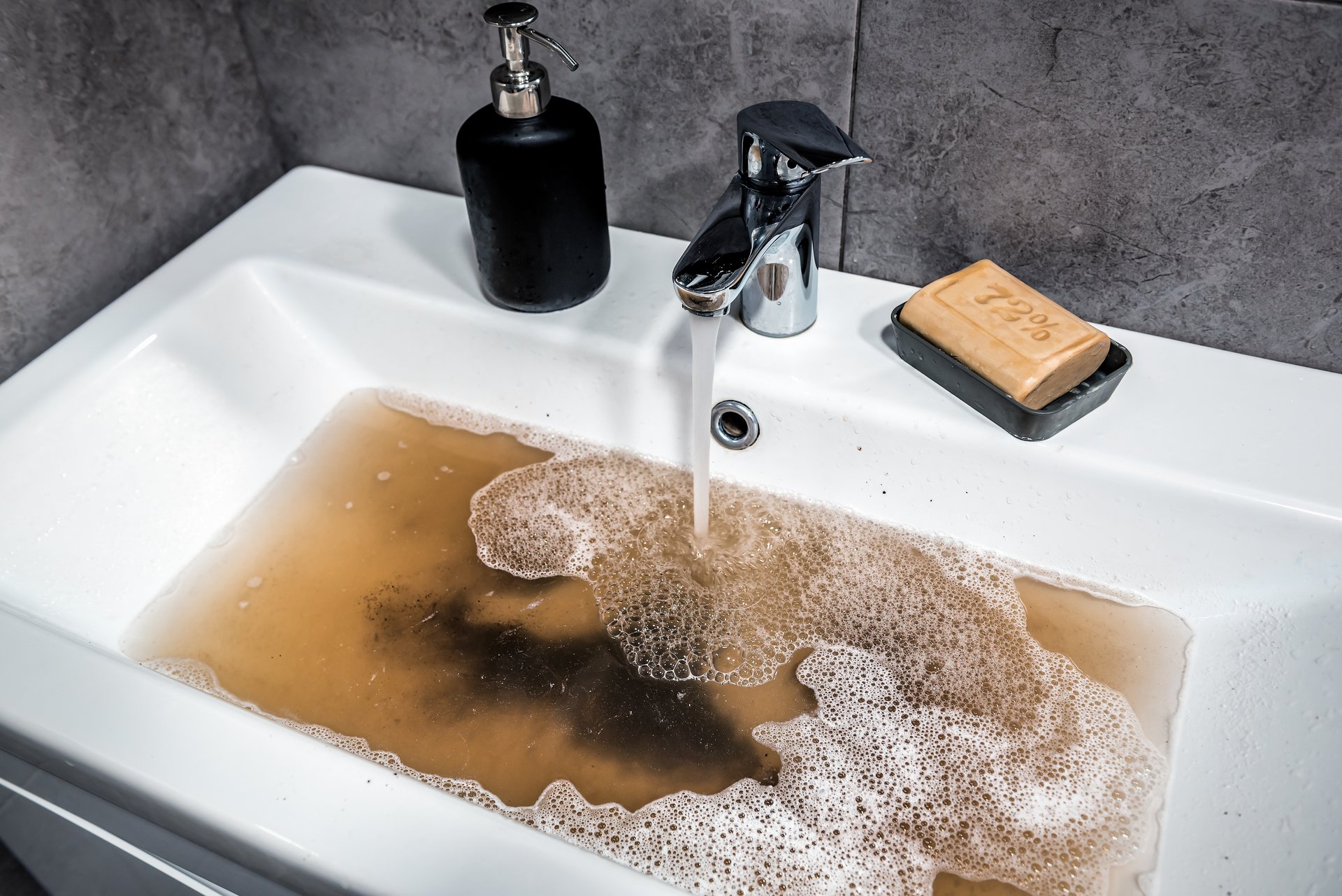
Let’s start with a truth most homeowners never hear: your plumbing system does not care that water is “supposed” to flow one way. Water follows pressure, period.
When pressure changes — which happens constantly in Utah — water will absolutely go rogue. Backflow is what happens when water decides, “Actually, I’m going this way now.” Sometimes it’s harmless. Sometimes it has been marinating in fertilizer, soil, dog pee, or the bottom of a kiddie pool.
And here’s the rude part: it usually happens without drama. No leak. No smell. No warning. Just quiet contamination while everyone brushes their teeth like nothing happened.
That is why this matters.
🚰 Backflow is not rare. It is normal physics misbehaving.
Backflow isn’t caused by bad plumbing or lazy homeowners. It’s caused by pressure doing what pressure does.
If city pressure drops, water can get pulled backward. If pressure surges inside your house, water can get pushed backward. Both happen all the time, especially along the Wasatch Front.
These everyday Utah scenarios can trigger backflow:
A water main break during spring construction season
Fire hydrants being used nearby
Every neighbor running sprinklers on a 95-degree evening
Elevation changes between your house and the street supply
None of this is exotic. None of it is rare. It is just plumbing behaving like plumbing.
⚠️ Why backflow is gross in a very specific way
Backflow isn’t scary because water goes backward. It’s scary because of where that water has been hanging out.
When backflow happens, water can pull contaminants from places that were never meant to touch your drinking water.
Here are some real, everyday sources of contamination:
Lawn chemicals during Utah’s aggressive spring fertilizing season
Mud, bacteria, and runoff sitting around sprinkler heads
Soapy, grimy water from utility sinks and laundry tubs
Stagnant hose water baking in the sun all summer
The worst part: most contaminants are invisible. Water can look fine, smell fine, and still be wrong. Prevention beats reaction every time.
🏠 Backflow risk usually starts with things you trust completely
Here’s where homeowners get blindsided: backflow doesn’t come from broken pipes. It comes from the most normal stuff in your yard.
These everyday features create backflow risk automatically:
Outdoor hose bibs
Lawn irrigation systems
Utility sinks and laundry tubs
Boilers or hydronic heating equipment
If your house has a yard, a hose, or sprinklers, congratulations — you already have backflow risk.
🔧 The garden hose is the repeat offender nobody suspects
If backflow had a personality, it would absolutely be your garden hose.
A hose becomes dangerous the second it’s submerged in anything:
Buckets
Kiddie pools
Muddy grass
Window wells
Random puddles
When pressure drops, that hose acts like a straw, sucking contaminants straight back into your plumbing.
Simple fixes shut that door fast:
Install vacuum breakers on every outdoor faucet.
Never leave hoses submerged.
Use hose attachments with built-in protection.
Many older Utah homes never got this upgrade because it wasn’t standard. One small device closes a huge risk.
🌱 Sprinklers: amazing for lawns, chaotic for water safety
Utah loves green lawns. Sprinkler systems make that possible. They also create one of the highest backflow risks in residential plumbing.
Sprinkler heads live in soil, fertilizer, pet waste, and runoff. Without protection, all of that has a direct path back to your drinking water.
Irrigation systems are especially risky:
They run hard during hot, dry summers
They sit dormant through freezing winters
Freeze damage can quietly break backflow devices without visible leaks
A device can look “fine” and still be doing absolutely nothing.
🧪 Pressure changes happen more often than people realize
Many homeowners assume pressure problems are rare. They are not.
Along the Wasatch Front, these everyday events can trigger backflow:
Fire hydrant use in nearby neighborhoods
Municipal repairs during construction season
Peak irrigation demand on hot summer evenings
Multiple fixtures running during morning or evening rushes
Backflow prevention exists because plumbing systems operate in the real world, not ideal conditions.
🔍 What homeowners can check without tools or training
You don’t need to be a plumber to spot obvious red flags. A quick walk around your property can reveal missing protection or visible issues.
Here are a few practical checks:
Look for vacuum breakers on outdoor faucets.
Identify where your irrigation backflow device is located.
Watch for constant leaking, corrosion, or cracked housings.
Pay attention to unusual discoloration after water disruptions.
These checks don’t replace professional testing, but they help catch problems early.
🛠️ Backflow prevention devices explained without the headache
Backflow devices sound complicated because of their names, not their purpose.
Their job is simple: let water move forward and stop it from moving backward.
These are the most common types homeowners encounter:
Atmospheric vacuum breakers – often found on hose bibs
Pressure vacuum breakers – usually on irrigation systems
Double check valve assemblies – redundant valves for extra protection
Reduced pressure assemblies – the gold standard for high-risk connections
Choosing the right device depends on how water is used, not what looks easiest to install.
🧊 Utah winters quietly sabotage backflow protection
Freeze damage is the silent killer of backflow devices.
Water freezes, expands, cracks internal parts, then melts. Everything looks normal until the system is needed again.
Seasonal transitions matter most:
Spring sprinkler startup
Fall system shutdown
Any winter where devices weren’t fully drained
Ignoring freeze protection is how systems fail without homeowners noticing.
📋 Everyday habits that lower backflow risk
Not every solution involves equipment. Some of the most effective backflow prevention is just good habits.
These actions make a real difference:
Never leave hoses submerged in standing water.
Do not attach chemical sprayers without protection.
Be cautious when modifying plumbing or adding outdoor fixtures.
Know where your main shutoff and irrigation connections are.
Boring? Yes. Effective? Absolutely.
🧠 When professional evaluation is required
Some systems are too high-risk for guesswork. Licensed evaluation and testing ensure protection works as intended, especially for irrigation devices connected to municipal water.
Here’s when professional attention is recommended:
Devices show age or freeze damage
Plumbing systems are modified or expanded
Pressure issues appear without a clear cause
Proper evaluation ensures your water is protected even when you’re not watching.
🧩 Backflow prevention is about confidence, not paranoia
Backflow prevention is not about expecting disaster. It’s about understanding how your plumbing behaves under real-world conditions.
Utah homes deal with elevation changes, irrigation, freeze cycles, and fluctuating municipal demand. Awareness here makes a bigger difference than any fancy device.
Combine simple safeguards, smart habits, and a little knowledge:
Water stays moving in the right direction
Contaminants stay out of your faucets
You can brush your teeth without worrying
Clean water depends on pressure, direction, and protection. Understanding those three things is all it takes to keep your plumbing under control.
Contact
Main Office
Social
3560 S 2200 W
West Valley City, UT 84119
P.O. Box 25123
Salt Lake City, UT 84125
Monday – Friday:
7:00 am – 3:30 pm
Billing & Mailing Address
Hours
© Budd M. Rich Plumbing Company, DBA BRPI Mechanical. All rights reserved.