
Spring Moisture: A Hidden Challenge for Commercial Drainage Systems
SEASONAL COMMERCIAL PLUMBINGCOMMERCIAL PLUMBING
3/10/20264 min read
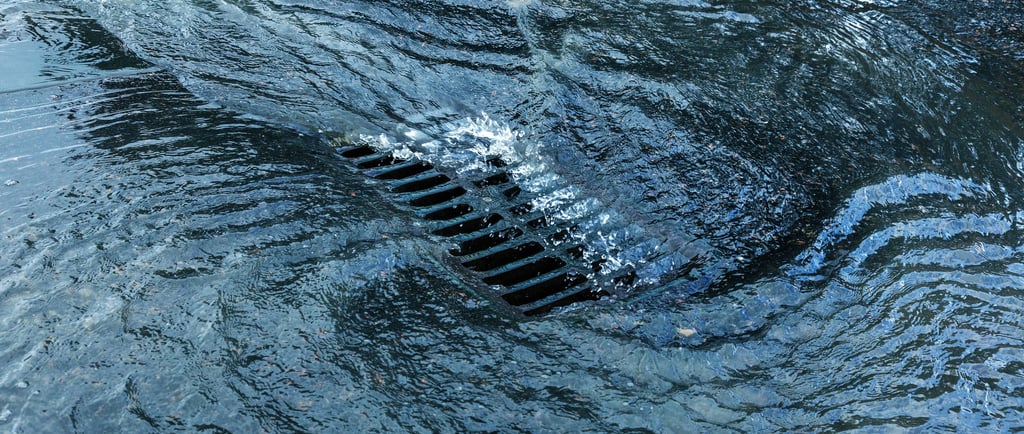
Spring is supposed to be the season of renewal—warmer temperatures, longer days, and a welcome break from winter’s harsh conditions. But for commercial properties, spring also brings something far less pleasant: moisture. Lots of it.
Melting snow, heavy rains, rising groundwater, and dramatic temperature swings all converge to create one of the most challenging seasons for commercial drainage systems. While winter gets most of the attention for plumbing risks, spring moisture quietly causes structural damage, drainage failures, and costly repairs when building owners aren’t prepared.
If you manage or own a commercial property, understanding how spring moisture affects your drainage infrastructure—and what you can do to stay ahead of it—is essential. This guide breaks down the hidden risks, the warning signs, and the proactive steps that keep your building dry, safe, and protected.
Why Spring Moisture Is a Bigger Threat Than You Think
Commercial drainage systems are designed to handle water, but spring introduces conditions that push them to their limits.
1. Rapid Snowmelt Overwhelms Drains
When temperatures rise quickly, snow melts faster than drainage systems can carry it away. The result is pooling, flooding, and hydrostatic pressure around foundations.
2. Spring Storms Bring Intense Rainfall
Spring rain tends to fall in heavy bursts. Even well‑designed drainage systems can struggle with sudden surges of water.
3. Groundwater Levels Rise
As the soil thaws and saturates, groundwater levels increase. This can infiltrate basements, crawlspaces, and underground piping.
4. Freeze‑Thaw Cycles Damage Infrastructure
Spring’s temperature swings cause expansion and contraction in pipes, catch basins, and concrete. Small cracks become big problems.
5. Debris Accumulates After Winter
Sand, salt, leaves, and trash accumulate in drains and gutters during winter. When spring moisture hits, blockages form quickly.
Spring moisture isn’t just inconvenient—it’s a structural threat. And because the damage often starts small and hidden, it’s easy to miss until it becomes expensive.
The Most Vulnerable Areas in Commercial Drainage Systems
Not all parts of a drainage system face the same level of risk. These areas deserve special attention during spring.
Roof Drains and Gutters
Flat commercial roofs are especially vulnerable. When drains clog, water ponds, adding thousands of pounds of weight and increasing the risk of leaks.
Parking Lot and Surface Drains
Spring runoff carries debris that clogs grates and catch basins. Standing water creates slip hazards, asphalt damage, and erosion.
Foundation Drainage
Rising groundwater and saturated soil increase hydrostatic pressure, pushing water into basements and mechanical rooms.
Stormwater Retention Systems
Retention ponds, bioswales, and underground tanks can overflow if not cleared and maintained.
Sump Pumps and Lift Stations
These systems work overtime in spring. If they fail, flooding happens fast.
Understanding where vulnerabilities exist is the first step toward preventing spring moisture damage.
Warning Signs Your Commercial Drainage System Is Struggling
Spring moisture problems rarely appear out of nowhere. They leave clues—if you know what to look for.
1. Pooling Water
Whether on the roof, in parking lots, or around the building perimeter, standing water is a red flag.
2. Slow Draining Catch Basins
If water lingers after rain, debris or structural issues may be restricting flow.
3. Water Stains on Walls or Ceilings
These often indicate roof drain backups or foundation seepage.
4. Musty Odors
Moisture trapped in walls, crawlspaces, or mechanical rooms produces a distinct smell.
5. Sump Pump Cycling Frequently
A pump that runs constantly may be compensating for rising groundwater—or failing.
6. Cracks in Pavement or Foundation
Freeze‑thaw cycles and water pressure accelerate structural deterioration.
7. Erosion Around Downspouts or Drains
This suggests water is escaping the drainage system instead of flowing through it.
Catching these signs early can prevent thousands of dollars in repairs.
How to Prepare Your Commercial Drainage System for Spring Moisture
A proactive approach is the best defense. These steps help ensure your drainage system is ready for spring’s challenges.
1. Schedule a Full Drainage System Inspection
A professional inspection should cover several critical areas:
Roof drains and scuppers
Gutters and downspouts
Parking lot drains
Catch basins and storm drains
Foundation drainage systems
Sump pumps and lift stations
Stormwater retention systems
This inspection identifies blockages, structural issues, and components weakened by winter.
2. Clean and Clear All Drains and Gutters
Winter debris is the number one cause of spring drainage failures.
A thorough cleaning should eliminate all accumulated debris:
Leaves
Sand and salt
Trash
Ice remnants
Organic buildup
Roof drains especially need attention—one clogged drain can cause major roof damage.
3. Test Sump Pumps and Backup Systems
Spring is when sump pumps earn their keep.
You should confirm that all essential components are functioning properly:
Test pump activation
Inspect float switches
Verify discharge lines are clear
Check backup power sources
Confirm alarms and monitoring systems work
A failed sump pump during spring moisture events can flood an entire building.
4. Inspect and Repair Surface Drainage
Parking lots and walkways often shift during winter.
Your review should identify any issues that may hinder drainage performance:
Sunken areas
Cracked asphalt
Blocked grates
Erosion channels
Correcting these issues improves drainage flow and reduces liability risks.
5. Evaluate Grading and Soil Saturation
Spring moisture saturates soil quickly. Poor grading directs water toward the building instead of away from it.
Regrading or adding soil can redirect runoff and reduce foundation pressure.
6. Check for Freeze‑Thaw Damage
Pipes, concrete, and metal components expand and contract all winter long.
Your assessment should reveal any signs of freeze‑thaw damage:
Cracks
Loose fittings
Damaged seals
Warped grates
Broken drain tiles
Addressing these issues early prevents leaks and structural failures.
7. Maintain Stormwater Retention Systems
Retention ponds, bioswales, and underground tanks must be ready for spring storms.
Proper maintenance should address several important tasks:
Clearing inlets and outlets
Removing sediment
Inspecting overflow structures
Checking pumps and valves
A neglected retention system can overflow and cause property‑wide flooding.
8. Install or Upgrade Moisture Monitoring Systems
Modern moisture sensors and monitoring tools can detect problems before they escalate.
These monitoring systems can detect conditions that require immediate attention:
Rising groundwater
Drain backups
Pump failures
Foundation seepage
Early detection is everything during spring moisture season.
9. Seal Cracks and Waterproof Vulnerable Areas
Spring is the perfect time to strengthen your building’s defenses.
Spring provides an ideal opportunity to apply protective treatments:
Foundation sealants
Waterproof membranes
Joint fillers
Roof coatings
These protective measures reduce long‑term moisture intrusion.
10. Develop a Spring Drainage Maintenance Plan
Consistency is the key to preventing moisture‑related damage.
A solid spring maintenance plan should outline key action steps:
Inspection schedules
Cleaning routines
Emergency contacts
Pump testing procedures
Storm preparation steps
Why Proactive Spring Drainage Maintenance Pays Off
Investing in spring drainage maintenance delivers major benefits:
Prevents flooding and water damage
Extends the life of drainage infrastructure
Reduces emergency repair costs
Protects tenants and customers
Improves building safety and compliance
Preserves property value
Spring moisture may be unavoidable, but spring moisture damage doesn’t have to be.
Final Thoughts: Stay Ahead of Spring’s Hidden Threat
Spring moisture is one of the most underestimated challenges for commercial properties. While it doesn’t grab headlines like winter freezes or summer storms, it quietly causes some of the most expensive and disruptive drainage failures.
By understanding the risks, recognizing the warning signs, and taking proactive steps, you can keep your commercial drainage system performing at its best—no matter how wet the season gets.
Contact
Main Office
Social
3560 S 2200 W
West Valley City, UT 84119
P.O. Box 25123
Salt Lake City, UT 84125
Monday – Friday:
7:00 am – 3:30 pm
Billing & Mailing Address
Hours
© Budd M. Rich Plumbing Company, DBA BRPI Mechanical. All rights reserved.