
Spring Thaw Plumbing Prep: Protecting Your Foundation and Drains from Meltwater
SPRING PLUMBINGRESIDENTIAL PLUMBINGPREVENTIVE PLUMBING TIPS
3/17/20264 min read
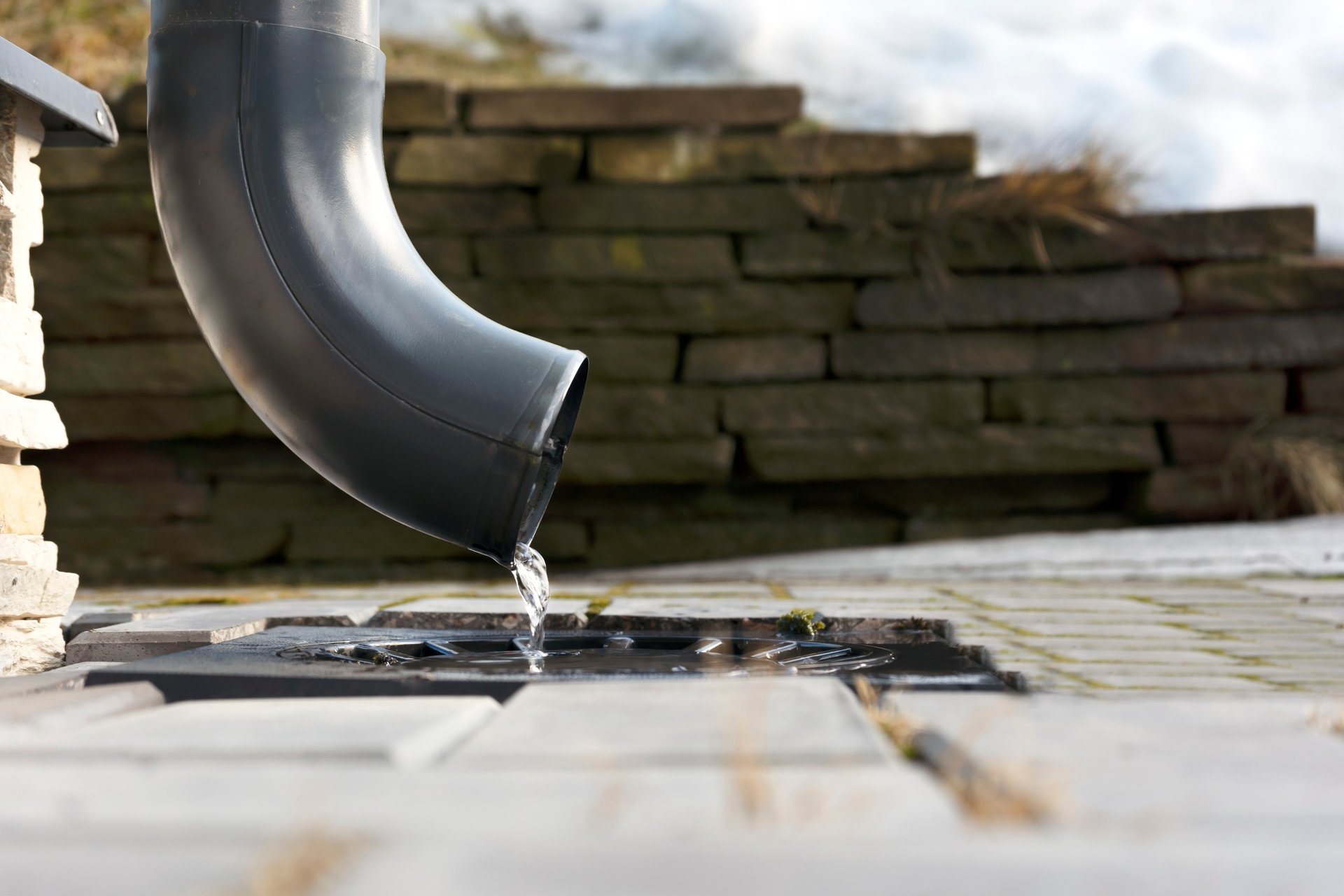
Winter leaves quietly. Spring shows up dripping.
Snowbanks shrink, gutters start ticking, and the ground softens almost overnight. Along the Wasatch Front, snowpack can linger for weeks and then melt fast. When it does, a surprising amount of water moves toward your home in a short window of time.
And if that water doesn’t have a clear path away, it’ll create one.
Spring thaw plumbing prep isn’t about panic. It’s about volume. Meltwater rarely floods in one dramatic wave. It seeps, saturates, backs up, and slowly overwhelms systems that handled winter just fine.
Here’s how to stay ahead of it.
🌊 Why Spring Meltwater Is Harder on Your Plumbing Than You Think
Snow doesn’t disappear. It turns into groundwater.
When daytime temperatures climb above freezing and nights dip back down, you get constant freeze-thaw cycles. Soil expands and contracts. Ice pockets melt. Roof runoff concentrates water in narrow zones. All that moisture has to either soak in or move away.
Early spring makes that difficult:
The soil may still be partially frozen
Compacted winter ground drains poorly
Downspouts dump concentrated water at the foundation
Sump systems might not have run in months
When water pools near foundation walls, hydrostatic pressure builds. That pressure pushes moisture toward cracks, joints, window wells, and pipe penetrations.
Even if you never think about it, your plumbing system becomes part of that water-management battle.
🏠 Foundation Protection Starts at the Roofline
It’s tempting to think foundation trouble starts underground. Often, it starts at the roof.
A single warm afternoon can release hundreds of gallons of meltwater. If gutters are clogged or downspouts empty right at the base of the house, you’re sending all that water exactly where you don’t want it.
Start by checking the following items:
Clear gutters and downspouts completely
Confirm downspouts extend several feet from the foundation
Watch water flow during a warm melt day and notice where it pools
Check window wells and clear debris from drains
These steps may feel simple, but they directly protect the plumbing lines and drains running along your foundation.
🚰 Exterior Hose Bibs: A Small Leak with Big Consequences
Outdoor hose connections take a beating during winter. Even frost-free bibs can crack if a hose was left attached or insulation wasn’t adequate.
When thaw season begins, take time to inspect each hose bib carefully:
Turn it on briefly
Check inside the basement or crawl space for drips
Look for exterior moisture staining near the wall
A small leak inside a wall cavity during melt season can quietly saturate insulation and framing while the surrounding soil is already wet. That combination increases the risk of foundation moisture issues fast.
Catching it early is easy. Ignoring it isn’t.
🧱 The Role of Your Drain System During Thaw
Most homeowners think of drains in terms of sinks and toilets. During spring melt, underground drain lines carry a heavier load.
Perimeter drains, often installed around foundations, are designed to collect groundwater and move it away. Some tie into sump pits. Others rely on gravity.
If drainage components become restricted, problems can follow quickly:
A partially blocked line slows water movement
Root intrusion narrows pipe diameter
A restricted outlet prevents discharge
As soil saturates, water pressure increases. If drainage pathways aren’t clear, seepage or slow drainage can show up right when water volume peaks.
Early spring is a smart time to pay attention to how quickly floor drains clear and whether you hear unusual gurgling.
🌧️ Sump Pumps: Test Them Before They’re Working Overtime
If your home has a sump pump, spring thaw is its busiest season.
During winter, many pumps barely run. Once rapid melt begins, they might cycle constantly for days. You don’t want the first test to happen during peak runoff.
Before heavy melt begins, perform a quick sump system check:
Lift the lid and inspect the pit
Make sure the float moves freely
Test the pump with a bucket of water
Inspect the discharge line outside for blockages or freezing damage
In Utah’s unpredictable spring weather, discharge lines can freeze overnight even after a warm day. If water can’t exit, it returns to the pit, and that’s a situation no one wants to deal with.
🌱 Soil Grading and Landscaping: Plumbing’s Silent Partner
Your plumbing doesn’t work alone. Exterior grading either supports it or works against it.
Soil settles over time. Snow piled against the house compresses it further. When thaw comes, low spots can collect water directly against the foundation.
Take a slow walk around your home and watch for these grading issues:
Soil sloping toward the house
Depressions where snowbanks once sat
Mulch beds that trap moisture against siding
Even modest adjustments that create a positive slope away from the structure can significantly reduce groundwater pressure on foundation drains.
🧊 Freeze-Thaw Cracks: Tiny Openings, Real Problems
Repeated freeze-thaw cycles can widen small foundation cracks. Water seeps in, freezes, expands, and opens them further. When spring melt hits, those cracks become entry points.
Keep an eye out for these signs of moisture intrusion:
Damp spots on basement walls
White powdery residue known as efflorescence
Musty odors in lower levels
Catching minor seepage early gives you options. Waiting gives water time to work.
🚽 Sewer Line Awareness During Saturated Conditions
When the ground becomes saturated, municipal sewer systems can also experience increased flow, especially in older neighborhoods.
Pay attention to these warning signs of sewer stress:
Slower draining fixtures
Gurgling sounds from floor drains
Unusual odors near basement drains
Even if these symptoms fade once conditions dry out, they signal that your system was under strain.
🔎 A Practical Spring Thaw Action Plan
A simple plan keeps things manageable and proactive.
Before peak melt arrives, complete these preventative steps:
Clear gutters and extend downspouts
Inspect hose bibs
Test sump pumps
Confirm positive grading
During active melt, stay observant and responsive:
Watch runoff patterns
Check basement walls and floors daily
Monitor drain speed and sump cycling
After thaw stabilizes, address anything you noticed:
Repair minor seepage
Correct grading problems
Replace damaged exterior fixtures
Breaking it into phases keeps it from feeling overwhelming and helps you focus on what matters most in the moment.
🌄 Why This Matters in Mountain-Influenced Areas
Homes along the Wasatch Front often experience concentrated runoff from nearby slopes, compacted soils, and rapid daytime warming followed by overnight refreezing. That swing can release a lot of water quickly, which means drainage systems and foundations are asked to perform at their best with very little notice.
Preparation makes that performance possible.
Final Thoughts: Manage the Water Before It Manages You
Spring thaw isn’t dramatic, but it’s persistent. Water looks for the lowest point, the smallest crack, and the easiest path. The goal isn’t to stop the melt—it’s to guide it away from your foundation and drains. With clear gutters, proper grading, leak-free hose bibs, and a ready sump pump, you can let the meltwater flow safely and enjoy a smooth transition into spring.
Contact
Main Office
Social
3560 S 2200 W
West Valley City, UT 84119
P.O. Box 25123
Salt Lake City, UT 84125
Monday – Friday:
7:00 am – 3:30 pm
Billing & Mailing Address
Hours
© Budd M. Rich Plumbing Company, DBA BRPI Mechanical. All rights reserved.