Thermal Expansion Tanks in Commercial Hot Water Systems: Why They Matter
COMMERCIAL BOILERSCOMMERCIAL PLUMBINGCOMMERCIAL PLUMBING FAQS
4/28/20265 min read
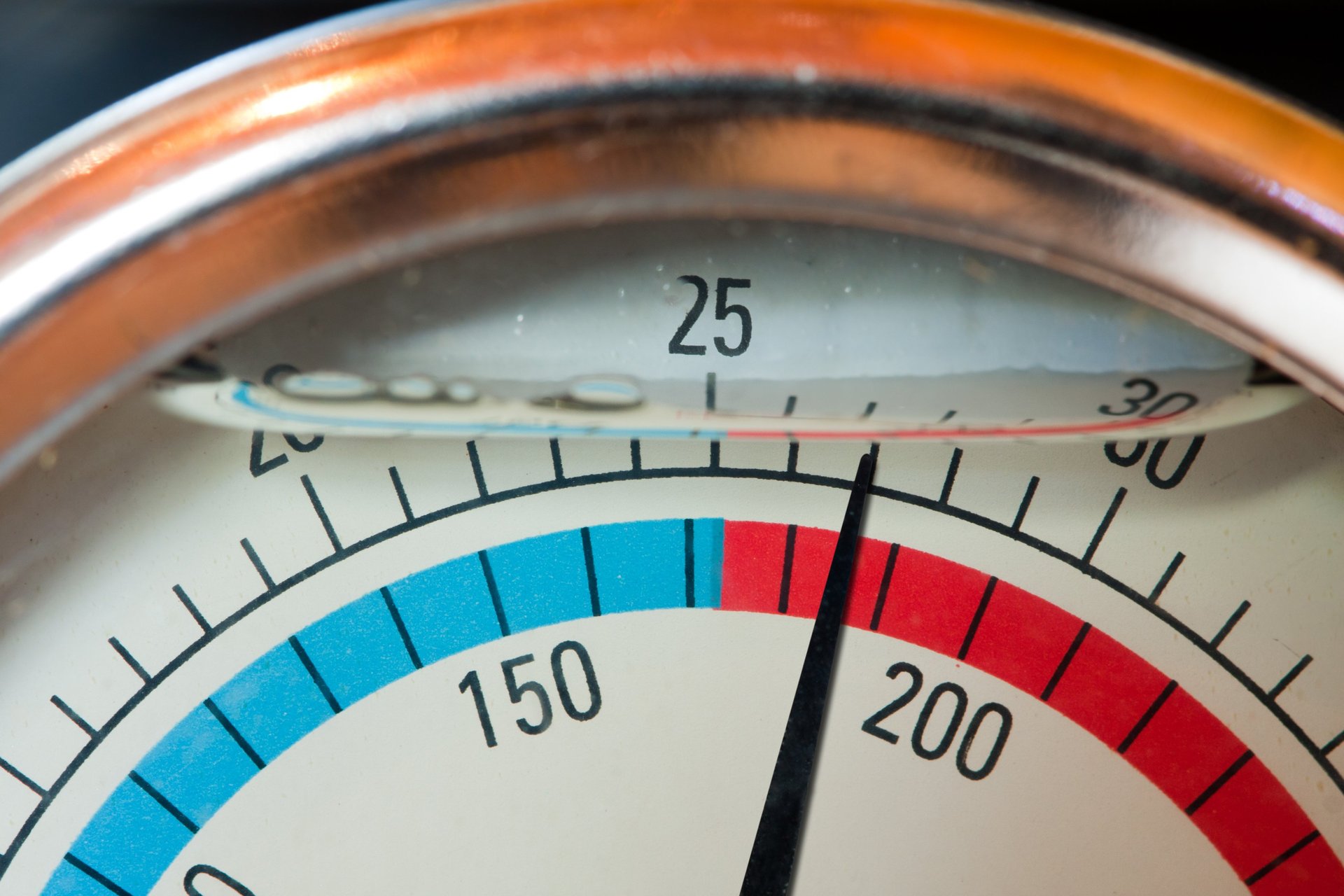
Commercial hot water systems work hard—often around the clock—to keep buildings running smoothly. Whether it’s a hotel with constant shower demand, a restaurant with nonstop dishwashing cycles, or a multifamily building with dozens of simultaneous fixtures in use, these systems face intense pressure and temperature fluctuations every day. One of the most overlooked components protecting these systems is the thermal expansion tank.
While small and often tucked away, thermal expansion tanks play an outsized role in system safety, efficiency, and longevity. When they’re missing, undersized, or neglected, the consequences can range from nuisance issues to catastrophic failures. This post breaks down why thermal expansion tanks matter, how they work, and what commercial property managers, facility teams, and contractors should know to keep hot water systems performing at their best.
Why Thermal Expansion Happens in the First Place
Whenever water is heated, it expands. This isn’t a minor change—water can increase in volume by several percent as temperatures rise from ambient to typical domestic hot water levels. In an open system, that extra volume has somewhere to go. But in most commercial buildings today, backflow preventers, check valves, and pressure-reducing valves create a closed system.
In a closed system, the expanded water has nowhere to escape. Pressure begins to rise rapidly, and without a buffer, that pressure pushes against every component in the system:
Water heaters
Piping
Valves
Fixtures
Backflow assemblies
Left unmanaged, this pressure buildup can cause leaks, premature equipment failure, or even dangerous ruptures. That’s where thermal expansion tanks come in.
What a Thermal Expansion Tank Actually Does
A thermal expansion tank is a simple but highly effective device designed to absorb the increased volume of heated water. Inside the tank is a rubber bladder or diaphragm separating two chambers: one for water and one for air. The air side is pre‑charged to a specific pressure, typically matching the building’s static water pressure.
Here’s how it works:
Water heats up and expands.
Pressure rises in the system.
The expansion tank’s bladder flexes, allowing the extra water volume to enter the tank.
The air cushion compresses, absorbing the pressure increase.
This prevents the system from exceeding safe pressure limits and keeps everything operating smoothly.
Why Expansion Tanks Matter So Much in Commercial Settings
Residential water heaters also need expansion tanks, but commercial systems face far greater demands. Larger volumes, higher temperatures, and more frequent heating cycles all amplify the effects of thermal expansion.
Here are the biggest reasons expansion tanks are essential in commercial buildings:
1. Protecting Water Heaters from Damage
Commercial water heaters—especially storage‑type units—are expensive assets. Excessive pressure can cause these issues:
Stress tank welds
Damage internal components
Trigger relief valve discharge
Shorten equipment lifespan
An expansion tank acts like a shock absorber, reducing strain and helping water heaters last longer.
2. Preventing Relief Valve Discharge
When pressure spikes, temperature and pressure relief valves (T&P valves) open to release water. In a commercial setting, this can lead to problems:
Water waste
Energy loss
Frequent valve replacements
Safety concerns
If a T&P valve is discharging regularly, it’s often a sign that the system lacks a properly functioning expansion tank.
3. Reducing Wear on Piping and Fixtures
High pressure doesn’t just affect the water heater. It stresses the entire plumbing system:
Leaks at joints
Premature fixture failure
Water hammer issues
Increased maintenance costs
Expansion tanks help maintain stable pressure, protecting the building’s infrastructure.
4. Maintaining Code Compliance
Most plumbing codes—including IPC and UPC—require thermal expansion control in closed systems. Commercial inspections often flag missing or improperly sized expansion tanks. Staying compliant avoids costly corrections and ensures the system meets safety standards.
Sizing Matters: Why One Size Never Fits All
A common mistake in commercial plumbing is assuming any expansion tank will do the job. In reality, sizing is critical. Undersized tanks fill too quickly and fail to absorb pressure spikes. Oversized tanks can cause bladder issues or improper system balancing.
Proper sizing depends on these factors:
Water heater capacity (gallons)
Incoming water temperature
Desired hot water temperature
System pressure
Whether multiple heaters are manifolded
Whether the system uses storage tanks or instantaneous heaters
Commercial systems often require larger or multiple expansion tanks to handle the volume and temperature swings. A professional calculation ensures the tank can handle the system’s maximum expansion load.
Where Expansion Tanks Should Be Installed
Placement affects performance. You’ll typically find expansion tanks here:
On the cold‑water supply line
Downstream of the backflow preventer or check valve
Upstream of the water heater
In an accessible location for maintenance
Mounting orientation also matters. While some tanks can be installed horizontally, vertical installation with the air valve on top is generally preferred to reduce stress on the bladder.
Maintenance: The Step Most Commercial Buildings Forget
Even the best expansion tank won’t last forever. The internal bladder can lose pressure, crack, or fail over time. Without maintenance, the tank becomes waterlogged and stops absorbing expansion. There are several key maintenance steps.
1. Checking the Air Charge
The air side should match the building’s static water pressure. If it drops, the tank can’t function properly. Technicians should do the following:
Isolate the tank
Drain the water side
Check the air pressure with a gauge
Re‑pressurize if needed
2. Inspecting for Leaks or Corrosion
Expansion tanks are often installed in mechanical rooms where humidity and temperature fluctuations can accelerate corrosion. Regular inspections help catch issues early.
3. Replacing Failed Tanks Promptly
A failed expansion tank is not a “wait and see” situation. Once the bladder ruptures or the tank becomes waterlogged, pressure spikes return immediately. Replacement should be scheduled as soon as failure is confirmed.
Signs Your Commercial System Has Expansion Tank Problems
Building operators should watch for these red flags:
T&P valve discharging regularly
Pressure fluctuations at fixtures
Water hammer or banging pipes
Leaks near the water heater
Relief valve discharge piping that’s warm or wet
Visible tank corrosion
Tank feels heavy (a sign it’s full of water)
Any of these symptoms suggest the expansion tank is undersized, improperly charged, or failing.
Special Considerations for Large Commercial Buildings
Some commercial properties have unique hot water demands that require more advanced expansion control strategies.
1. Multiple Water Heaters
When heaters are manifolded, expansion volume increases significantly. Systems may require these modifications:
Multiple expansion tanks
Larger tanks
Tanks installed at strategic points in the system
2. High‑Rise Buildings
Static pressure increases with height. Expansion tanks must be sized and charged to match the building’s pressure zones.
3. Recirculation Systems
Hot water recirculation loops increase temperature stability but also increase the frequency of expansion cycles. Tanks in these systems often experience more wear.
4. Instantaneous or Tankless Commercial Heaters
Even tankless systems can require expansion control if they operate in a closed system. Many building owners assume otherwise and run into pressure issues.
The Bottom Line: Small Component, Big Impact
Thermal expansion tanks may not be the flashiest part of a commercial hot water system, but they’re essential for protecting equipment, maintaining stable pressure, and ensuring long‑term reliability. When properly sized, installed, and maintained, they quietly prevent a host of problems that would otherwise lead to costly repairs, safety hazards, and operational disruptions.
For commercial property managers and facility teams, paying attention to this small but mighty component is one of the smartest investments you can make in your building’s plumbing infrastructure.
If your system is showing signs of pressure issues—or if you’re unsure whether your expansion tank is sized or functioning correctly—bringing in a qualified commercial plumbing professional is the best next step. A quick inspection today can prevent major headaches tomorrow.
Contact
Main Office
Social
3560 S 2200 W
West Valley City, UT 84119
P.O. Box 25123
Salt Lake City, UT 84125
Monday – Friday:
7:00 am – 3:30 pm
Billing & Mailing Address
Hours
© Budd M. Rich Plumbing Company, DBA BRPI Mechanical. All rights reserved.